The short answer
Choose a true HEPA purifier sized for the room at about 4.8 air changes per hour, run it continuously in the bedroom, keep the cat out of that room, and wash bedding and vacuum with a HEPA vacuum weekly.
Why cat allergen is different
The main cat allergen, Fel d 1, is carried on very small particles that stay in the air for hours and stick to walls, fabrics and clothes. That's why symptoms persist even after a cat leaves the room.
What the purifier should have
- A true HEPA stage, which captures the small particles that carry cat allergen.
- Enough clean air delivery for the room; size at 4.8 air changes per hour.
- A pre-filter you can vacuum, to keep fur from clogging the HEPA stage.
- Quiet low settings for overnight use.
Habits that matter
- Keep the cat out of the bedroom.
- Wash bedding and throws in hot water weekly.
- Vacuum with a HEPA vacuum; damp-dust hard surfaces.
- Use a MERV 11 to 13 furnace filter if your system handles it.
Products mentioned
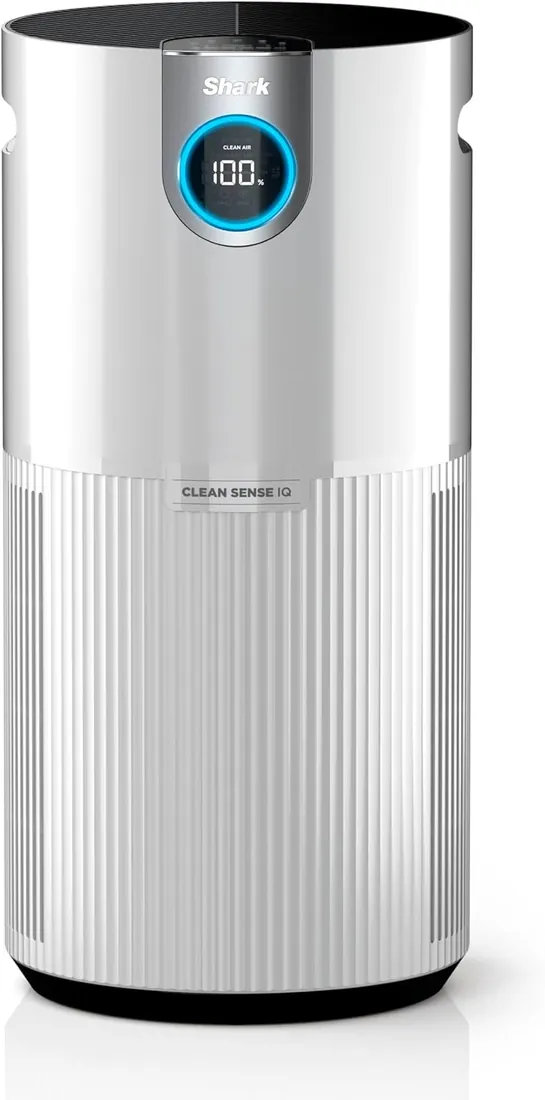
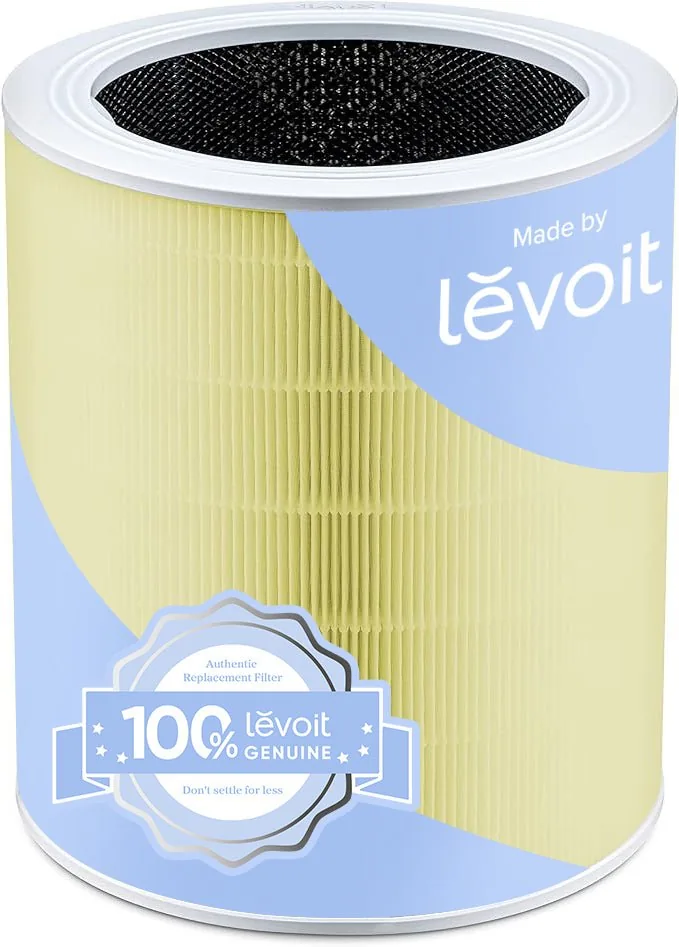
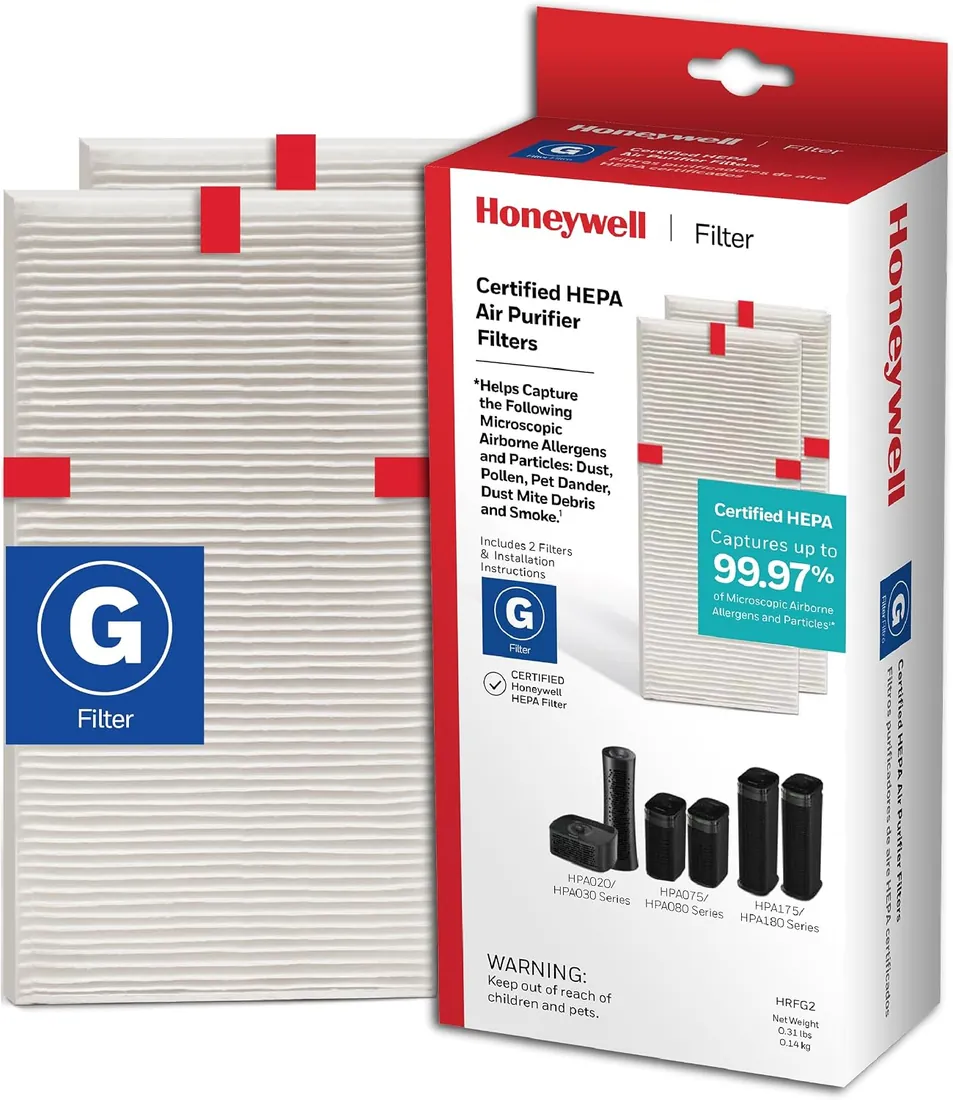
Questions readers ask
Do air purifiers really help with cat allergies?
They reduce airborne allergen, which helps many people, especially in a cat-free bedroom; they work best combined with cleaning.
What size purifier for cat allergies?
One whose CADR covers the room at about 4.8 air changes per hour.