The short answer
For smoke, pick a purifier with a high smoke CADR and a substantial activated carbon stage, sized generously for the room. It reduces particles and smell, but no purifier removes all the harmful gases in tobacco smoke.
What smoke is
Cigarette smoke contains fine particles (mostly well under 1 micron) and thousands of gases, including carbon monoxide and formaldehyde. Particles respond well to HEPA filtration; gases need adsorption by carbon, and some pass through regardless.
What to look for
- Smoke CADR: the most relevant figure; higher clears smoke faster.
- Carbon: several pounds of granular carbon outperform a thin carbon sheet.
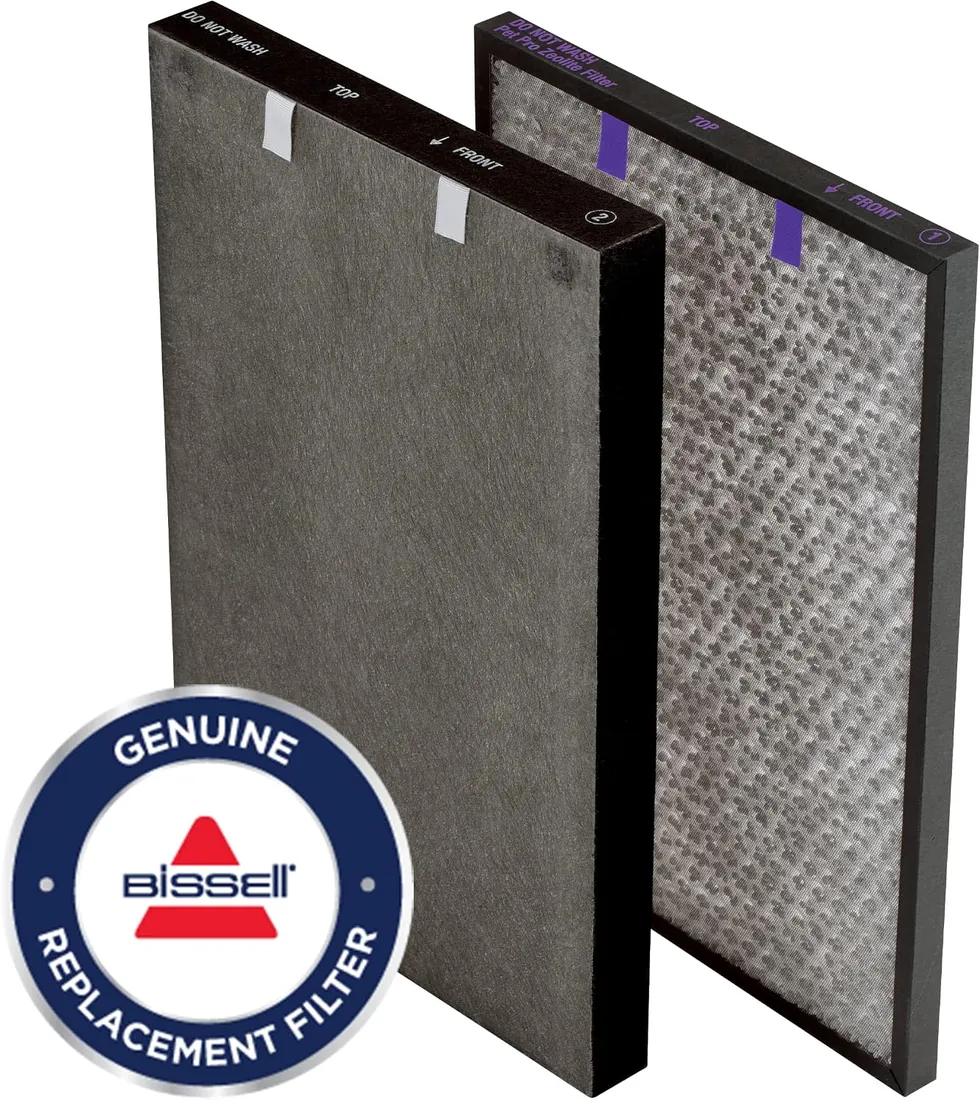
- Replaceable carbon: it saturates, often sooner than the HEPA stage.
- Size up: choose a unit rated for a larger room than yours.
Limits
SafetyHealth agencies are clear that air cleaners and ventilation can't eliminate the health risks of indoor smoking. The only way to fully protect others is a smoke-free home.
Products mentioned
Questions readers ask
Can an air purifier remove cigarette smell?
A purifier with a substantial carbon stage reduces it while running; smoke residue in fabrics and walls keeps releasing odor.
Which CADR matters for smoke?
The smoke CADR, the hardest of the three AHAM figures.