The short answer
Drywall sanding and construction dust is very fine and clogs filters and coils fast. Seal the work area, turn the HVAC off or cover returns while sanding, run a cheap pleated filter during the job and change it often, then put your normal filter back and change it again after cleanup.
Why construction dust is hard on HVAC
Joint compound and drywall dust are mostly fine gypsum and calcium carbonate particles. Pulled into a return, they load a filter within days and anything that gets past it coats the blower wheel and the AC coil, cutting airflow and efficiency.
During the work
- Close off the room with plastic sheeting and tape; use a zip door if you need access.
- Cover return grilles in the work area, or switch the system off while sanding.
- Use sanding tools with vacuum extraction or wet-sanding methods.
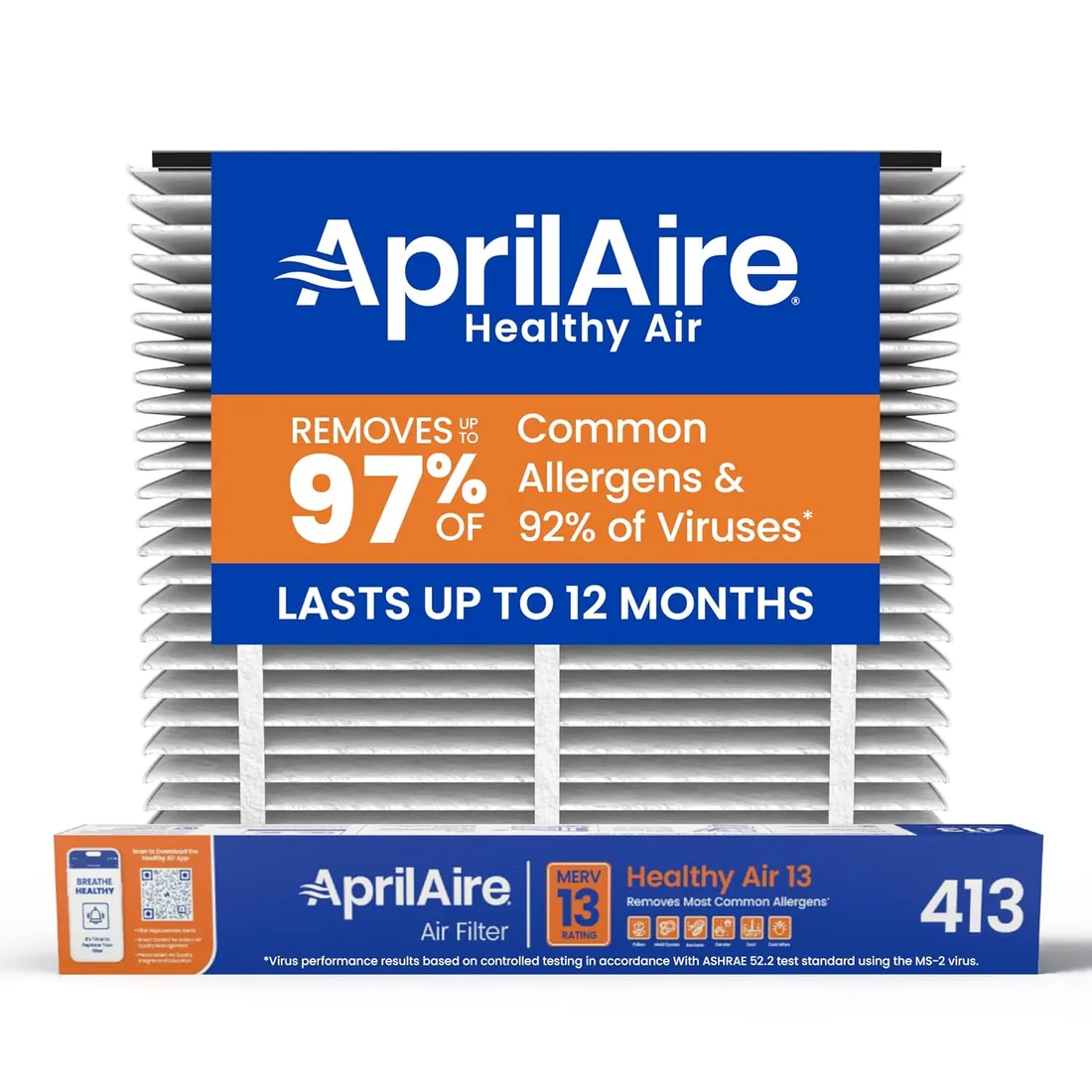
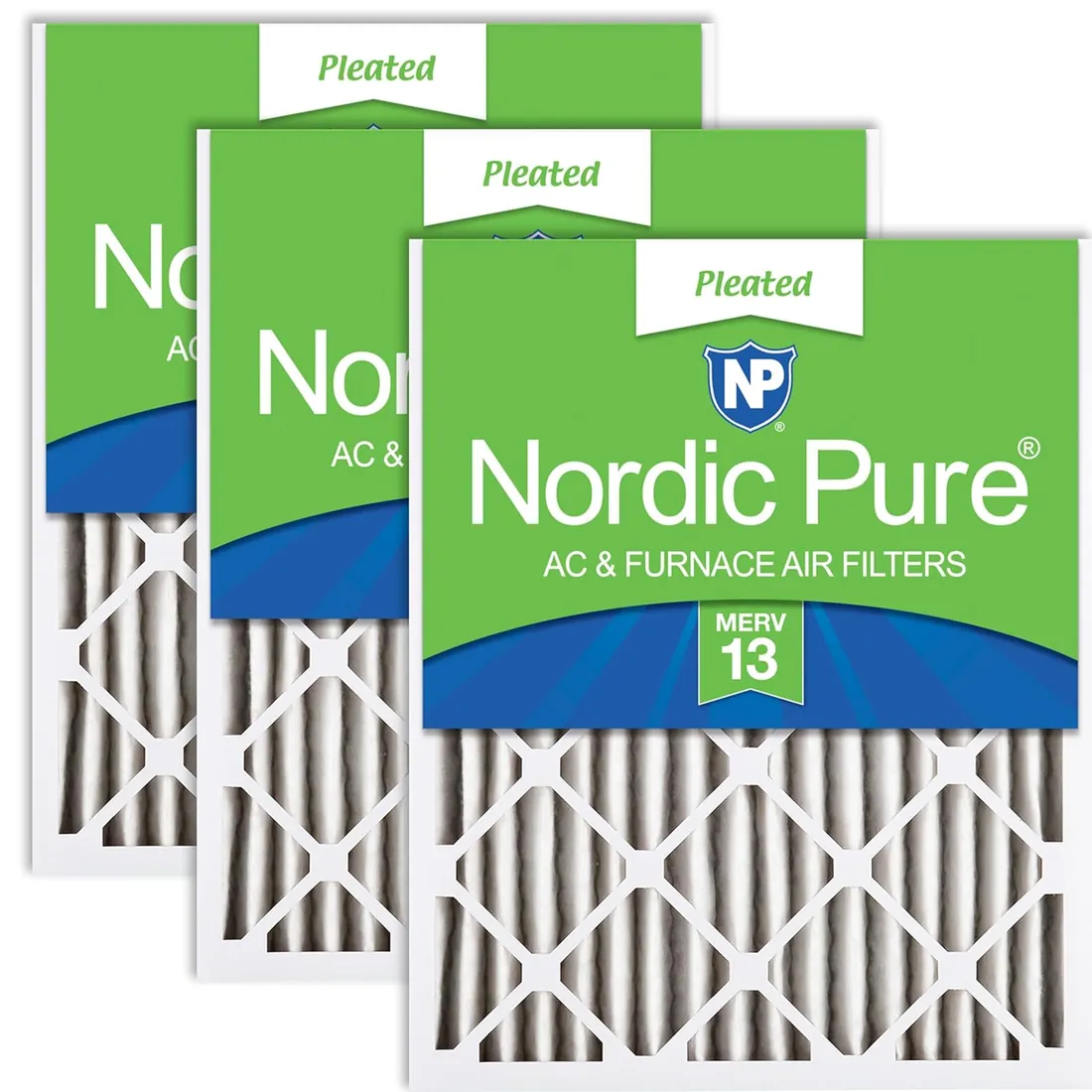
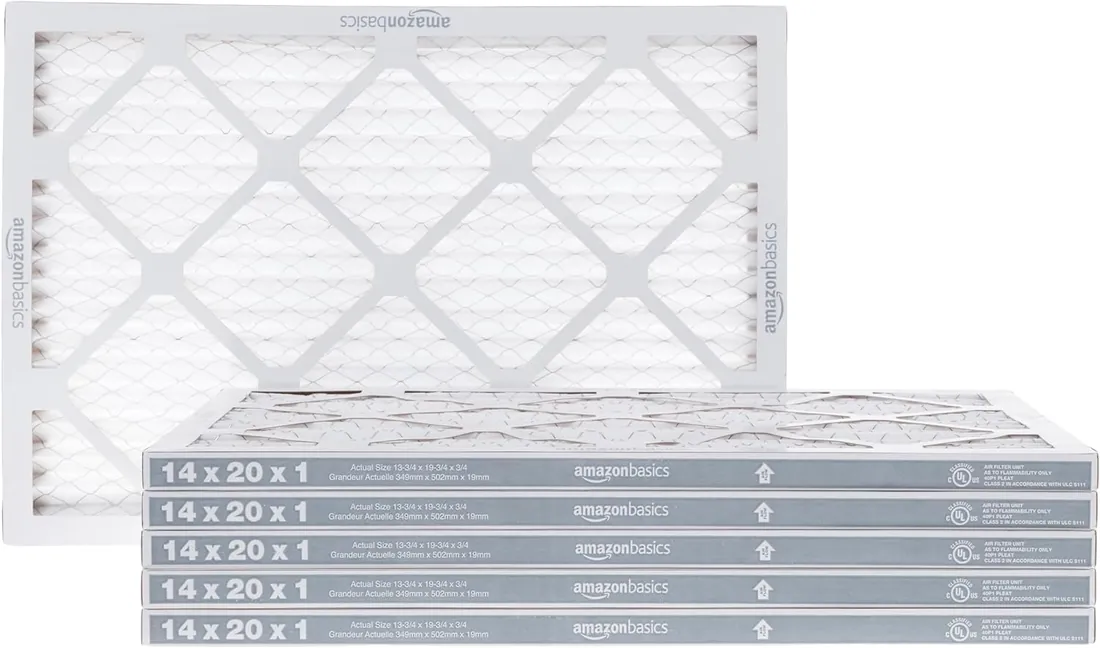
- Put an inexpensive pleated MERV 8 filter in and check it every few days; replace it as soon as it turns gray.
- Run a box fan in a window blowing out to keep the room slightly negative.
After the work
Clean up with a HEPA vacuum, not a broom. Then fit a fresh filter at your normal grade, run the fan for a day, and replace that filter again: it will catch the dust that settled in the ducts.
SafetyWear a well-fitted N95 or better respirator while sanding; drywall dust irritates airways.
Products mentioned
Questions readers ask
Should I run my furnace while sanding drywall?
Preferably not in the work area. Cover the returns or switch it off, and change the filter afterwards.
What filter should I use during renovation?
An inexpensive pleated MERV 8, changed often. Save higher-grade filters for after cleanup.