House dust mites (Dermatophagoides pteronyssinus) are microscopic arachnids that thrive in human bedding, upholstered furniture, and carpets, feeding on shed skin flakes. Allergic reactions are caused by digestive enzymes contained within their fecal pellets (Der p 1 and Der f 1), which measure 10 to 20 microns in diameter.
Dust Mite Biology & Allergy Triggers
House dust mites (Dermatophagoides pteronyssinus) are microscopic arachnids that thrive in human bedding, upholstered furniture, and carpets, feeding on shed skin flakes. Allergic reactions are caused by digestive enzymes contained within their fecal pellets (Der p 1 and Der f 1), which measure 10 to 20 microns in diameter.
The 50% Relative Humidity Threshold
Dust mites do not drink liquid water; they absorb atmospheric moisture through their cuticle. If indoor relative humidity is maintained below 50%, dust mites desiccate and cannot reproduce, crashing populations within weeks.
Targeted Control Protocol
- Encase Mattresses and Pillows: Use zippered allergen-impermeable covers with pore sizes under 6 microns.
- Wash Bedding Weekly at 130°F: High water temperatures denature mite proteins and kill live mites.
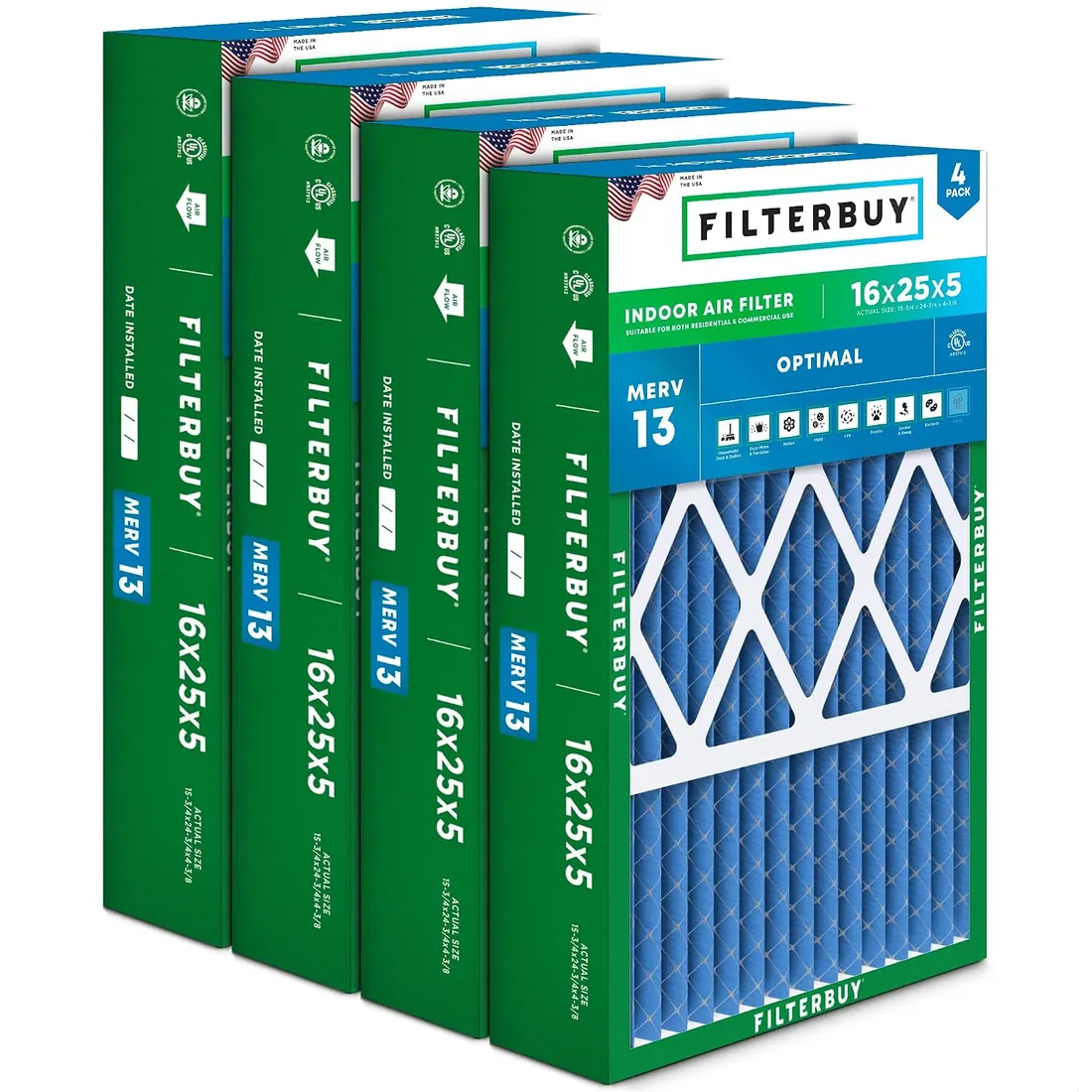
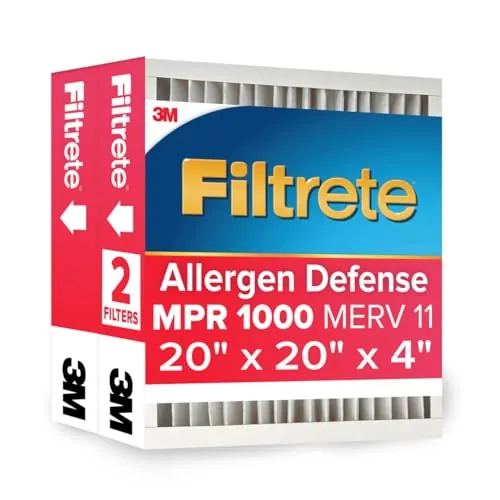
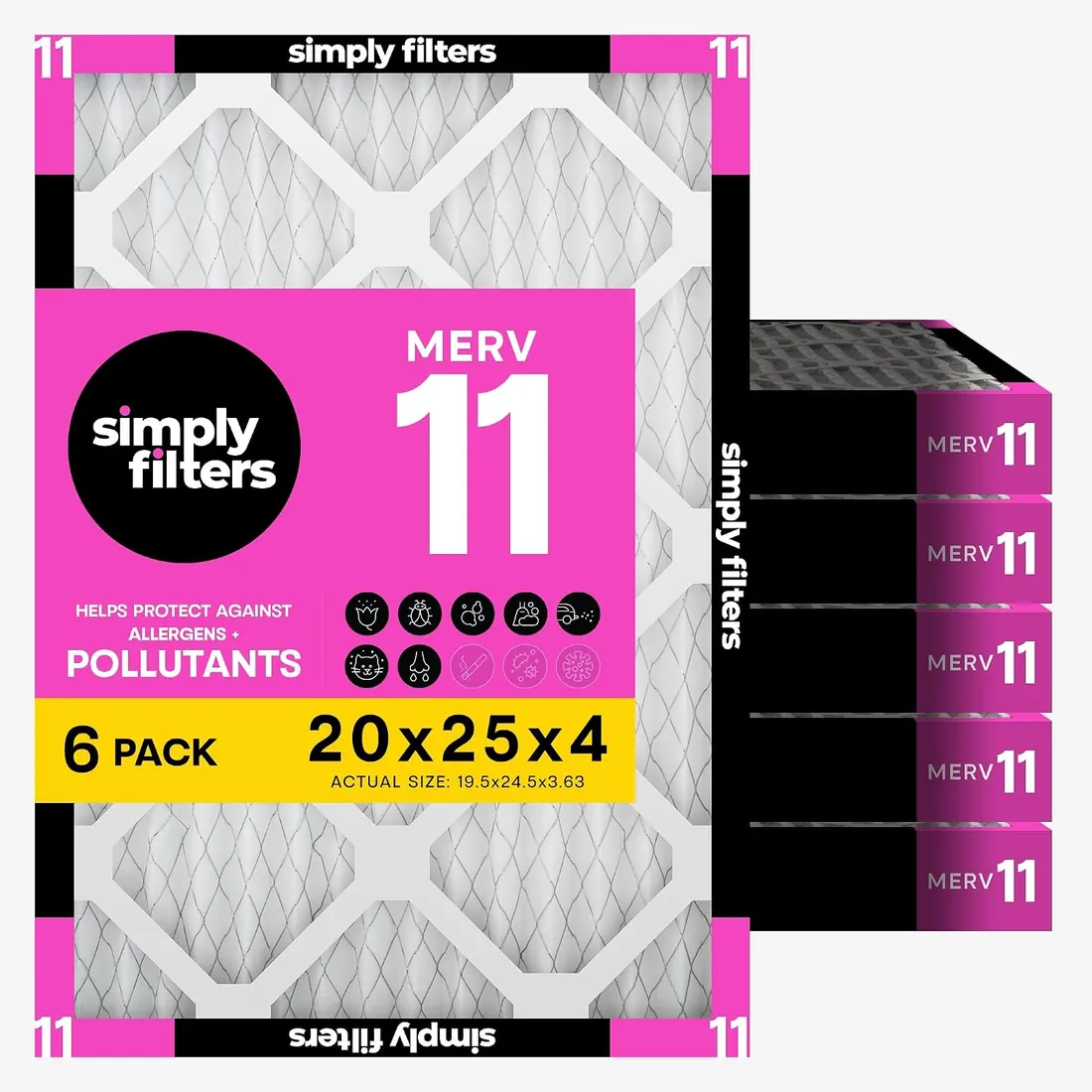
- Run MERV 11+ Central Filtration: Captures over 85% of airborne fecal pellets stirred up by walking or vacuuming.