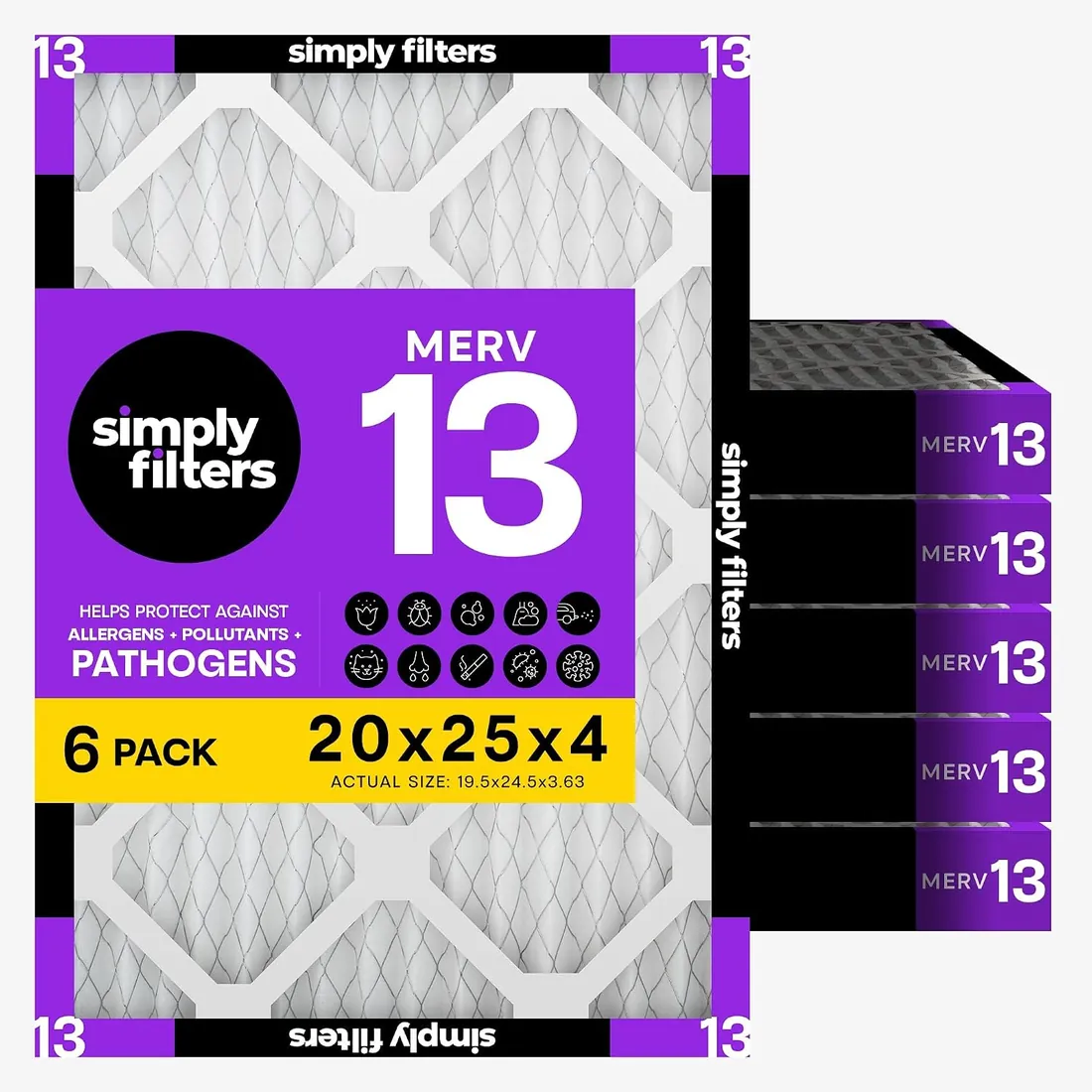
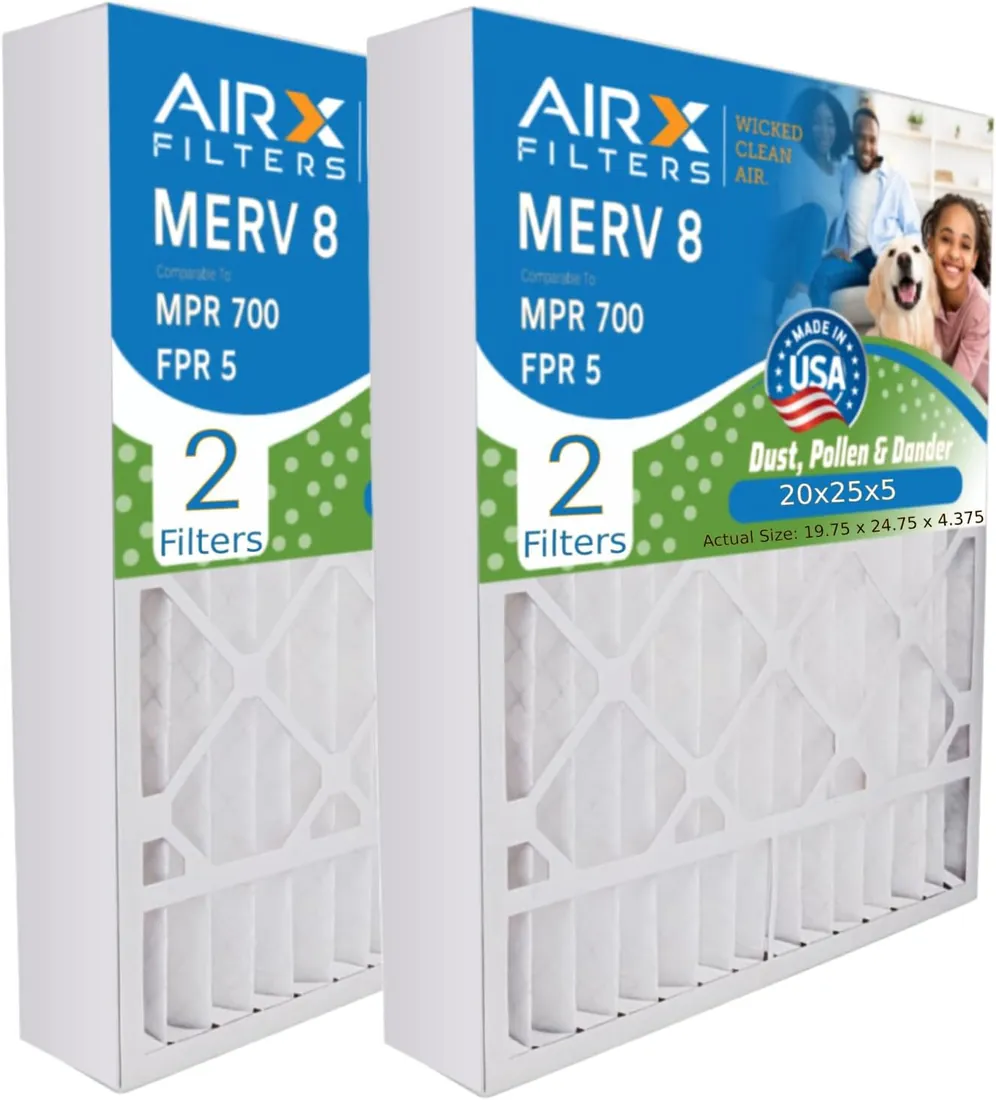
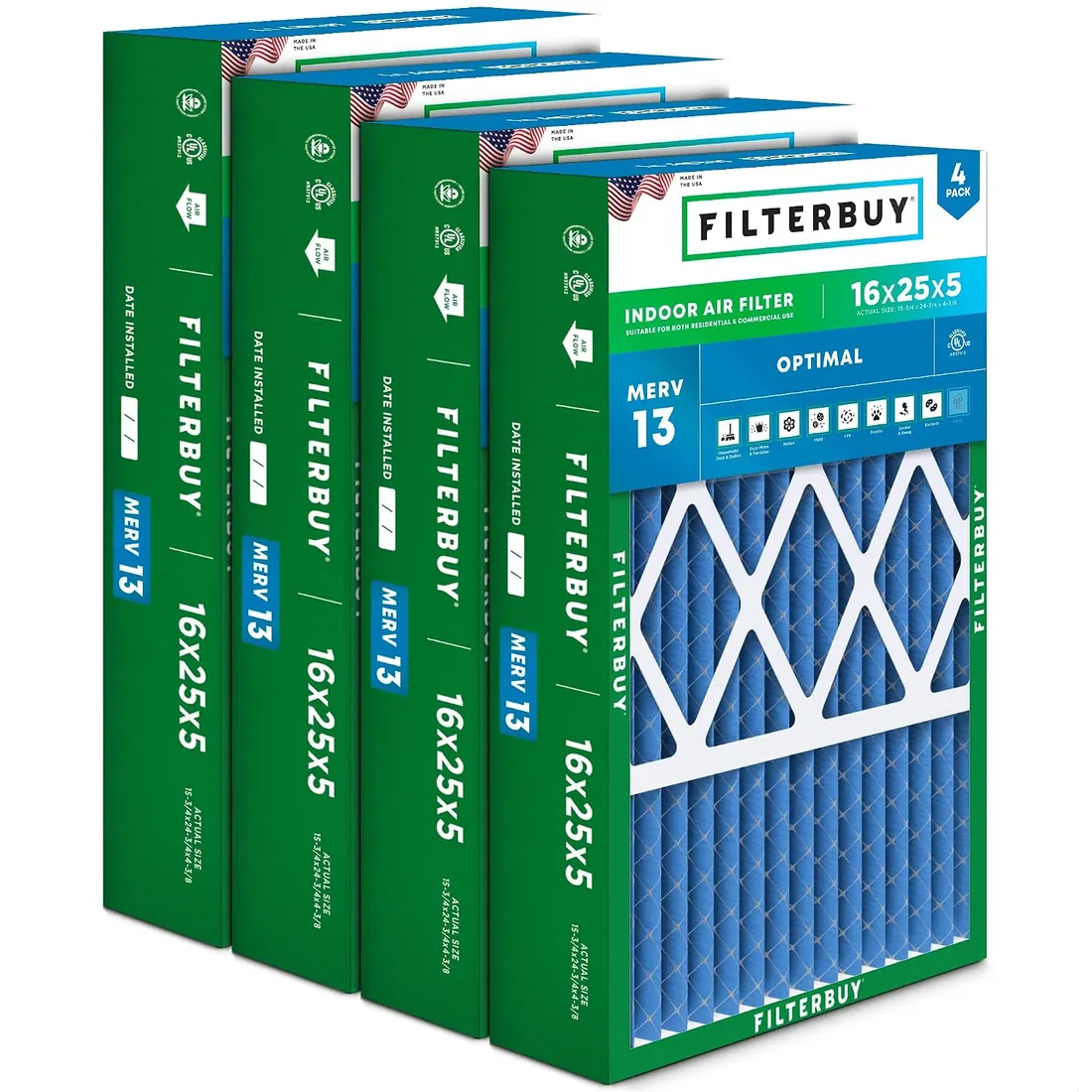
In the 1980s and 1990s, Electronic Air Cleaners (EACs)—which charge incoming dust with high-voltage corona wires and collect particles on aluminum plates—were the gold standard of luxury HVAC. Today, modern residential engineering has decisively shifted toward 4-inch deep media cabinets (like Aprilaire and Honeywell). Here is why the industry evolved.
Electronic Air Cleaners vs. Media Cabinets
In the 1980s and 1990s, Electronic Air Cleaners (EACs)—which charge incoming dust with high-voltage corona wires and collect particles on aluminum plates—were the gold standard of luxury HVAC. Today, modern residential engineering has decisively shifted toward 4-inch deep media cabinets (like Aprilaire and Honeywell). Here is why the industry evolved.
The Rapid Efficiency Drop of EACs
An electronic air cleaner tests at high efficiency on day 1 with clean aluminum collection plates. However, as dust accumulates on the plates, the electrostatic field insulates itself; within 3 to 4 weeks of use, an unwashed EAC's capture efficiency drops from 95% down to less than 40%.
Key Trade-offs
| Metric | Electronic Air Cleaner (EAC) | Deep Media Cabinet (4"-5") |
|---|---|---|
| Maintenance | Disassemble and soak heavy aluminum cells in detergent monthly | Replace slide-in cartridge once every 12 months |
| Ozone Emissions | Generates trace ozone from electrical arcing (corona wires) | 100% zero ozone (purely mechanical sieving) |
| Operating Reliability | Snapping/popping noises; delicate ionizing wires break easily | No moving parts; indestructible rigid frame |
| Long-term Performance | Degrades rapidly between cleanings | Maintains or improves filtration efficiency as dust cake loads |