The short answer
Scale is mineral left behind as water evaporates; slime is microbial growth in standing water. Both cut a humidifier's output and can smell. Replace the water panel or wick on schedule, clean the tray and distributor, and keep the water moving.
Why pads scale up
An evaporative humidifier evaporates water from a pad and leaves the dissolved minerals behind. Hard water builds a crust that stiffens the pad, stops it wicking evenly and cuts moisture output. A whole-house water panel typically needs replacing every heating season; portable wicks more often.
Where slime comes from
Bacteria and mold grow where water sits warm and still: in a portable unit's tank and tray, or in a whole-house unit's drain and distribution tray. A slimy film or a sour smell means it needs cleaning now.
Cleaning routine
- Portable units: empty and rinse the tank daily; clean the base and tray weekly with the maker's recommended cleaner or white vinegar, then rinse.
- Whole-house units: at the start of the season, replace the water panel, flush the distribution tray and check the drain line runs freely.
- Never mix cleaners; rinse thoroughly before refilling.
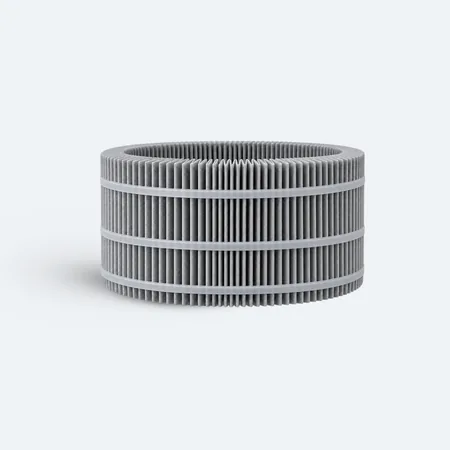
- Replace wicks that are hard, discolored or smell even after cleaning.
SafetyUnplug portable humidifiers and turn off the water supply and power to whole-house units before cleaning.
Products mentioned
Questions readers ask
How often should I change a humidifier water panel?
At least once a heating season; more often with hard water.
Can I clean a scaled wick?
Soaking can loosen light scale, but heavily scaled wicks should be replaced.