Formaldehyde (HCHO) is a volatile organic compound widely used in urea-formaldehyde resins found in engineered hardwood, particleboard subfloors, laminate cabinetry, and spray foam insulation. Classified as a known human carcinogen, chronic low-level exposure causes sensory eye irritation, respiratory coughing, and chronic headaches.
The Ubiquitous Indoor Carcinogen
Formaldehyde (HCHO) is a volatile organic compound widely used in urea-formaldehyde resins found in engineered hardwood, particleboard subfloors, laminate cabinetry, and spray foam insulation. Classified as a known human carcinogen, chronic low-level exposure causes sensory eye irritation, respiratory coughing, and chronic headaches.
Chemisorption vs. Standard Carbon
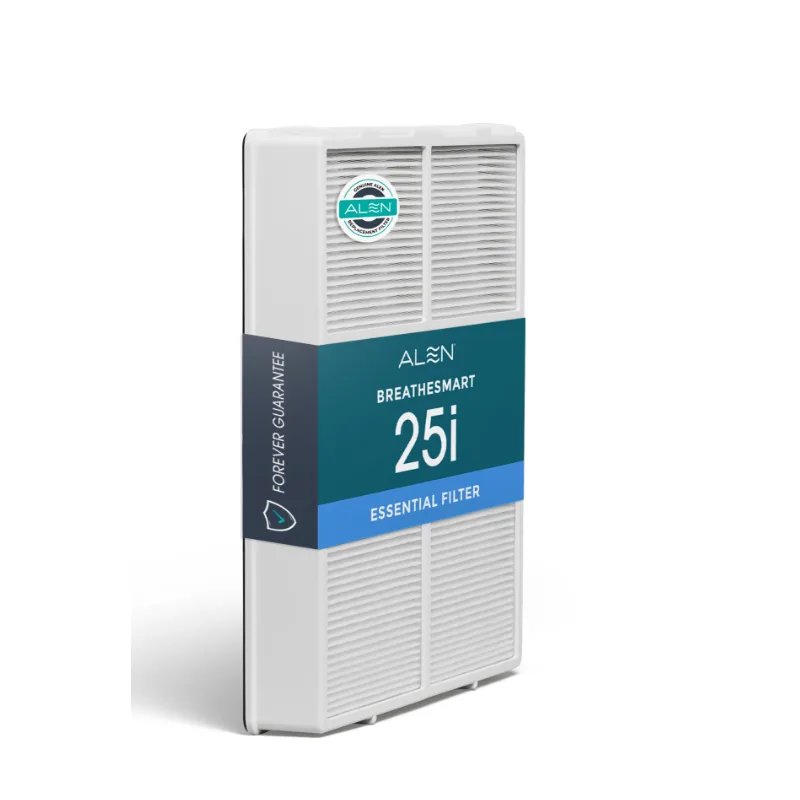
Formaldehyde has a low molecular weight (30 g/mol) and does not bind strongly to standard virgin activated carbon. Removing formaldehyde requires chemisorption: activated carbon or zeolite impregnated with potassium permanganate (KMnO4), which chemically oxidizes formaldehyde into harmless CO2 and water.
Remediation Strategies for New Homes
- Bake-Out Ventilation: Accelerate off-gassing in new construction by elevating heat to 80°F with windows open for 48 hours.
- Source Verification: Purchase furniture and flooring rated compliant with EPA TSCA Title VI or CARB Phase 2.
- Continuous Dilution Ventilation: Run mechanical fresh-air ventilation (ERV/HRV) to keep formaldehyde concentrations below 20 ppb.