The short answer
A genuine filter is made for your exact housing and rated airflow. A compatible filter can work well if it seals properly and its media is true HEPA, but quality varies; check the fit, the seal and the listing's specifics before switching.
What can differ
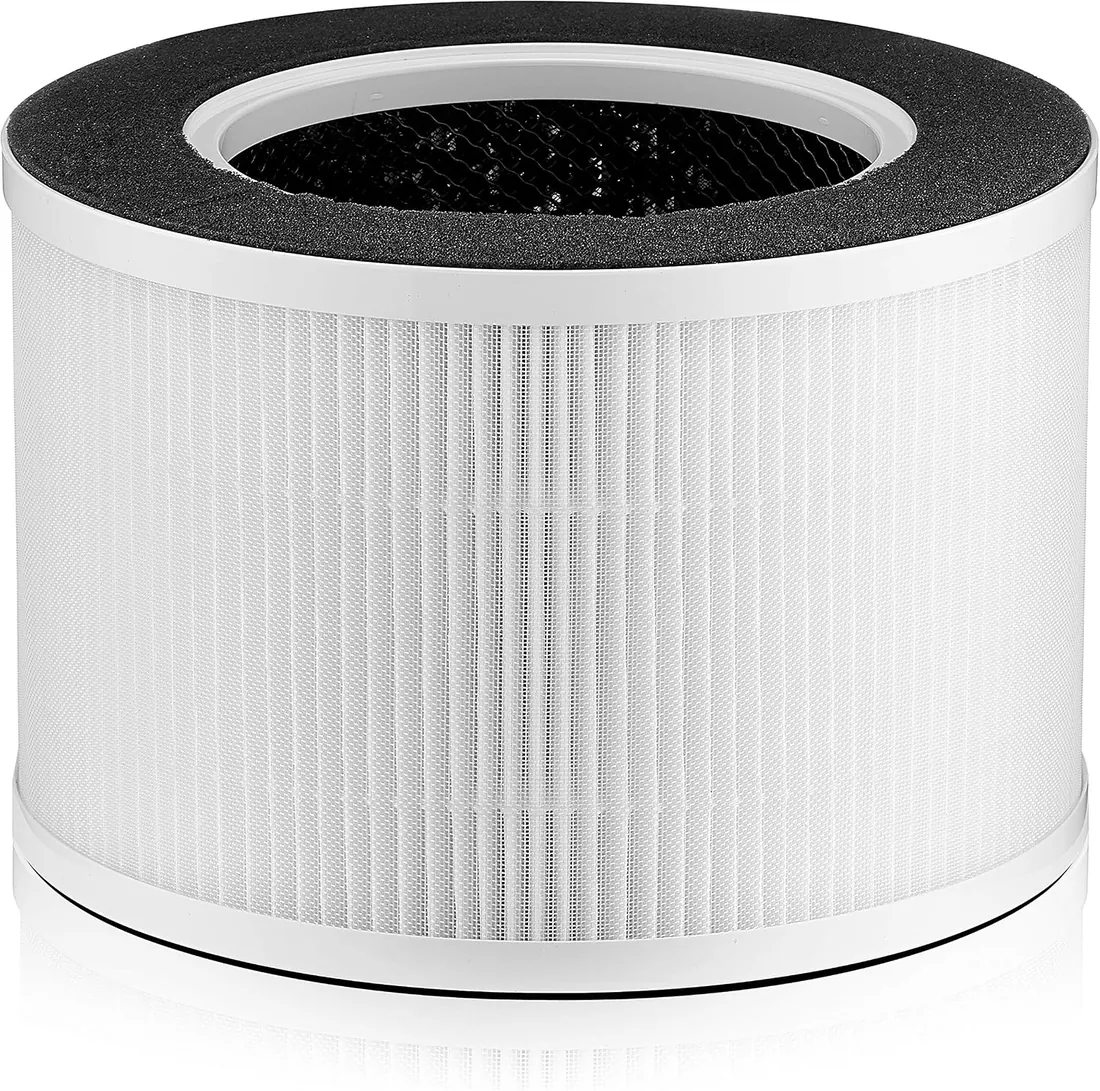
- Seal: a gasket that doesn't close the gap lets air bypass the media.
- Media: 'HEPA-type' or unspecified media may catch fewer fine particles.
- Carbon: compatible filters often use a thinner carbon layer.
- Airflow: denser media can reduce the purifier's airflow and CADR.
How to check
- Match the exact model number of your purifier and the original filter.
- Check that the frame and gasket match the original's dimensions.
- Look for a stated filtration standard (true HEPA, H13) rather than vague claims.
- After fitting, check the purifier's indicator resets and airflow feels unchanged.
Our approach
Our filter pages list the maker-original filter for each unit; where we include compatible filters, the page says so.
Products mentioned
Questions readers ask
Do compatible filters void the warranty?
Some makers say their warranty requires genuine filters; check your purifier's warranty terms.
Are compatible HEPA filters real HEPA?
Some are; look for a stated standard and specifics, not just the word 'HEPA'.