Unlike conventional gas furnaces that produce blistering 130°F to 140°F supply air, residential heat pumps operate on narrower thermodynamic margins, typically delivering 92°F to 102°F warmth. To transfer adequate heat into your home, heat pumps must circulate significantly higher airflow—typically 400 to 450 CFM per ton of capacity compared to 300 to...
Why Heat Pumps Are Sensitive to Airflow
Unlike conventional gas furnaces that produce blistering 130°F to 140°F supply air, residential heat pumps operate on narrower thermodynamic margins, typically delivering 92°F to 102°F warmth. To transfer adequate heat into your home, heat pumps must circulate significantly higher airflow—typically 400 to 450 CFM per ton of capacity compared to 300 to 350 CFM for fossil fuel furnaces. Restricting that air with an overly dense filter causes immediate efficiency drops and equipment distress.
Heat Pump Airflow Rule
A 3-ton heat pump requires 1,200 to 1,350 CFM of continuous airflow. If an overly restrictive 1-inch MERV 13 filter reduces airflow to 950 CFM, indoor coil temperature drops, compressor head pressure rises, and backup auxiliary electric heat strips kick in prematurely—tripling your winter electric bill.
Heat Pump vs. Gas Furnace Filter Demands
| Operating Parameter | Standard Gas Furnace | Residential Heat Pump |
|---|---|---|
| Required Airflow (CFM / Ton) | 300 – 350 CFM / ton | 400 – 450 CFM / ton |
| Supply Air Temperature | 125°F – 140°F | 90°F – 102°F |
| Consequence of Low Airflow | High-limit switch trips; cracked heat exchanger | Compressor liquid slugging; aux heat strip lock-in |
| Recommended 1-Inch Filter | MERV 8 to 11 | MERV 8 (or MERV 11 with generous return grilles) |
Best Practices for Heat Pump Filtration
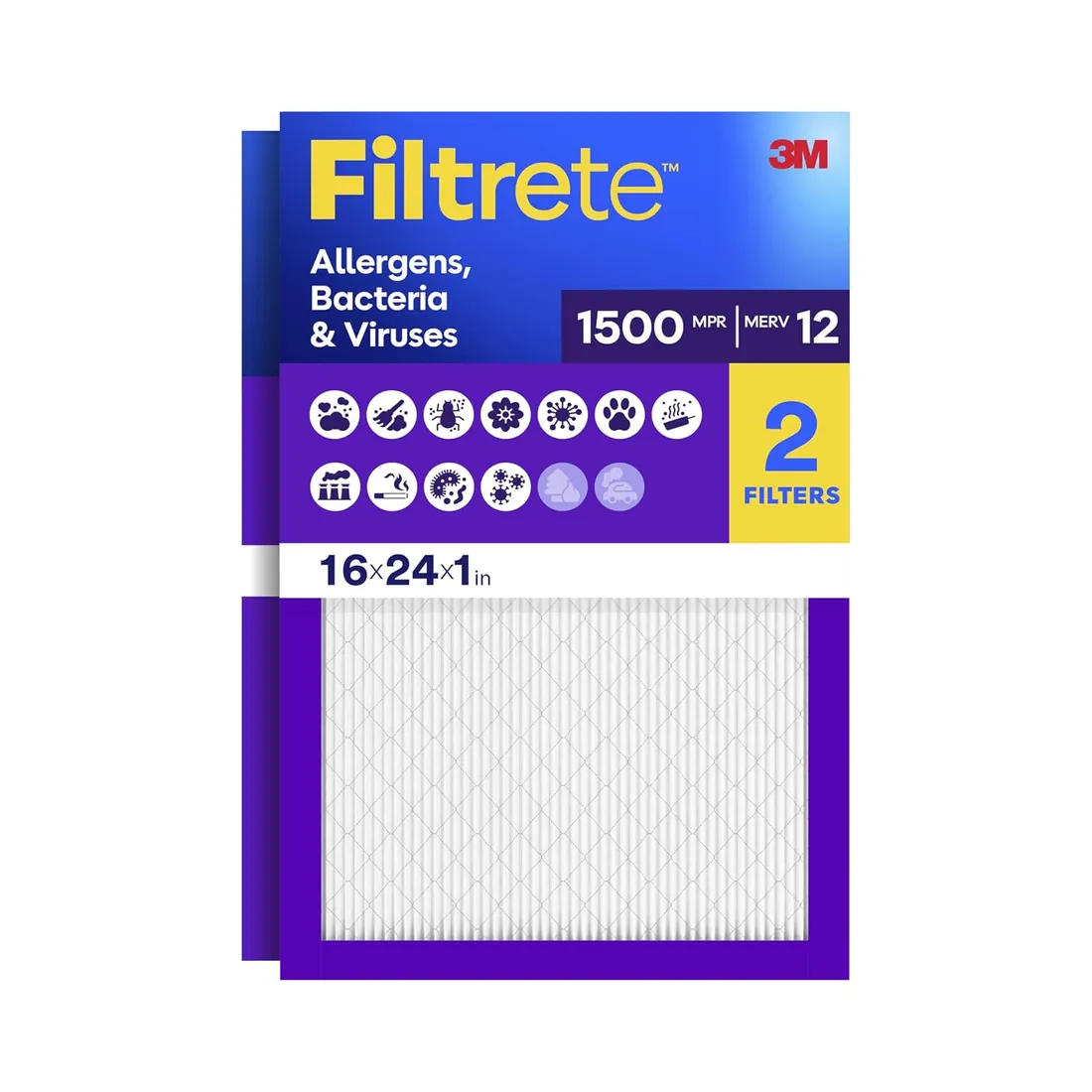
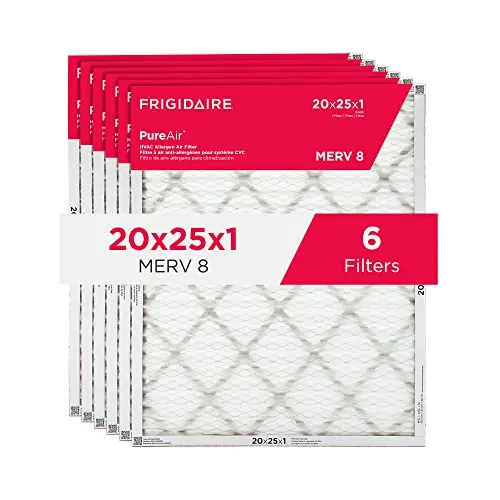
- Stick to MERV 8 or 11 in 1-Inch Slots: Unless your return ductwork is oversized, avoid 1-inch MERV 13 filters on heat pumps.
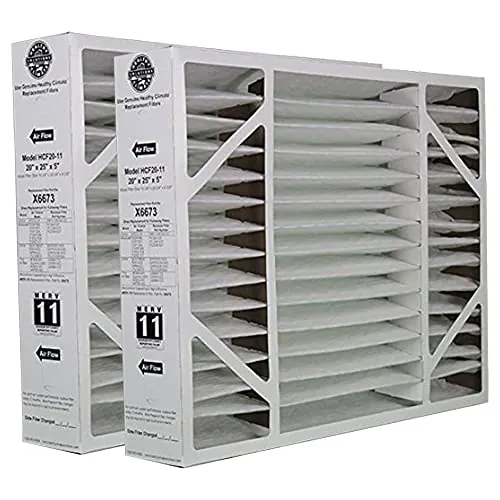
- Upgrade to Deep 4-Inch Media: A 4-inch cabinet delivers MERV 13 particulate capture with lower static resistance than a 1-inch MERV 8, preserving high-velocity heat pump CFM.
- Inspect Filters Every 45 Days in Peak Winter: Because heat pumps run longer continuous heating cycles than gas furnaces, filters accumulate dust cake faster.