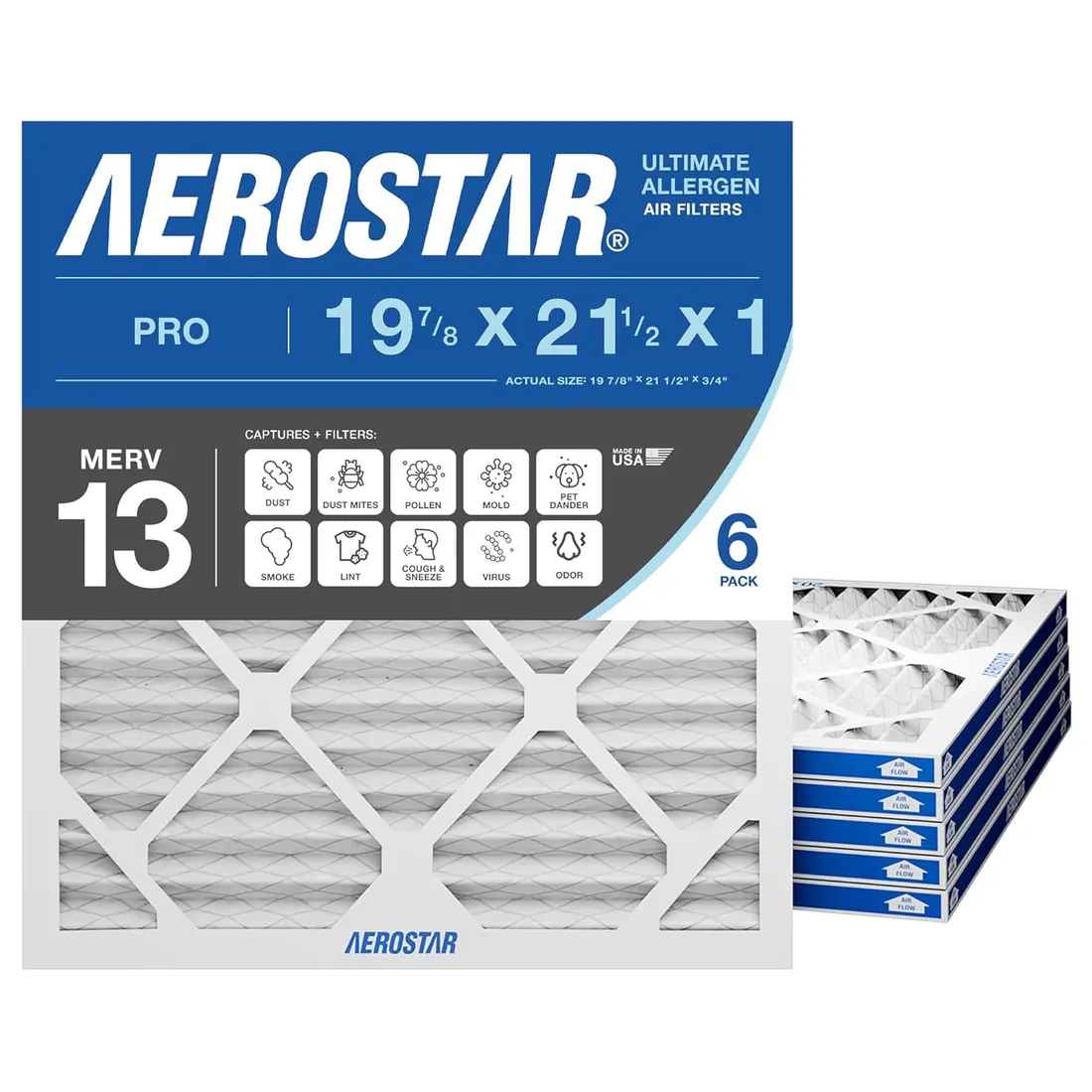
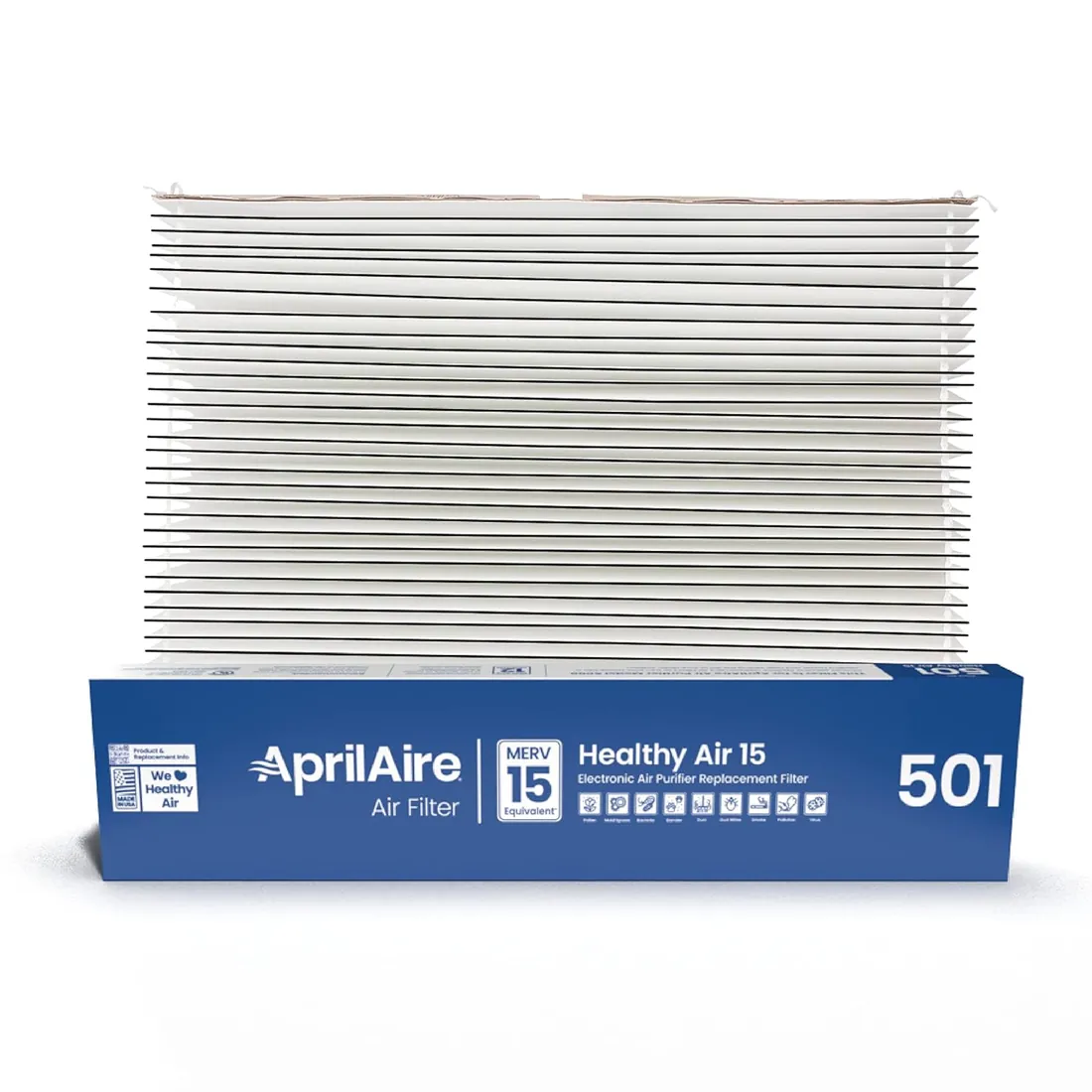
At altitude the air is thinner, so a blower moves less mass of air at the same speed and furnaces are derated. Filters behave the same way per cubic foot, but there's less margin, so avoid overly restrictive filters and follow the furnace maker's high-altitude settings.
What changes at altitude
Air density falls by roughly 3 percent per 1,000 feet. A blower still moves about the same volume, but each cubic foot carries less mass, so it carries less heat. Gas furnaces are derated at altitude (often around 2 to 4 percent per 1,000 feet above 2,000 feet, per the maker's instructions) and set up with different orifices.
Filters at altitude
A filter's resistance at a given airflow volume doesn't change much with altitude, but systems at altitude often run closer to their limits. A dense 1-inch MERV 13 filter that is fine at sea level can be the thing that pushes a marginal system into short-cycling.
- Prefer deeper filters (4- or 5-inch) if you want MERV 13
- Change filters on schedule; dusty, dry climates load them faster
- Have static pressure measured after any filter upgrade
Dry mountain air
High-altitude homes are often very dry in winter. A whole-house humidifier and a hygrometer help keep 30 to 50 percent relative humidity.