The short answer
Match the maker's rated area to your space, then go up a size if it's wet rather than just musty. Compare pints only between current (2019 DOE) ratings; older 80°F ratings look about a third larger for the same machine.
The rating change
Before 2019, capacity was measured at 80°F and 60 percent relative humidity. The current Department of Energy test uses 65°F and 60 percent, closer to a real basement, so a unit once sold as 70 pints is now rated around 50. Many listings still mix the two; check which one you're reading.
Matching size to space
- Damp, musty space: a unit rated for your area.
- Wet spots, sweating walls: a size up, with continuous drainage.
- Crawlspace or very cool basement: a model built for low temperatures, often with a pump.
Room size is only half the story; how much water gets in (leaks, poor grading, a dryer vent) decides how hard the unit works.
Drainage
| Option | Good for | Watch out |
|---|---|---|
| Bucket | Occasional use | Must be emptied, often daily |
| Gravity hose | Basements with a floor drain | Drain must be lower than the unit |
| Built-in pump | Draining up to a sink or out a window | Pump is another part to maintain |
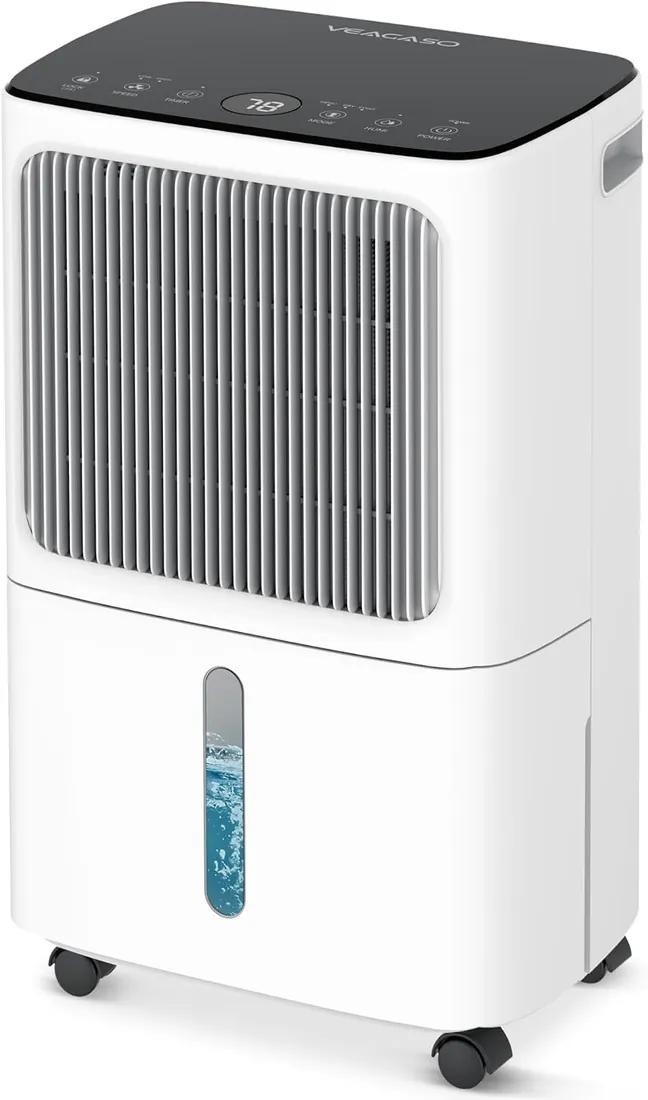
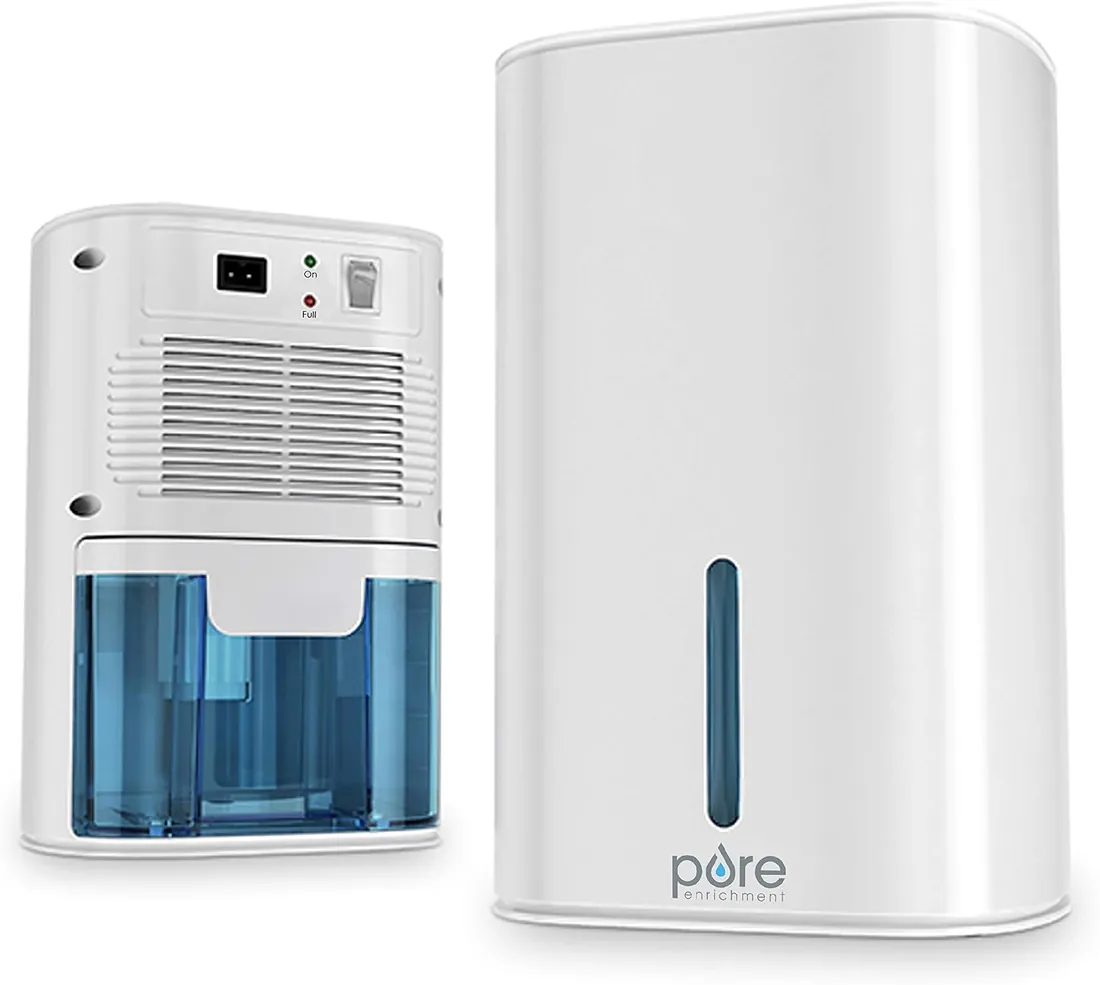
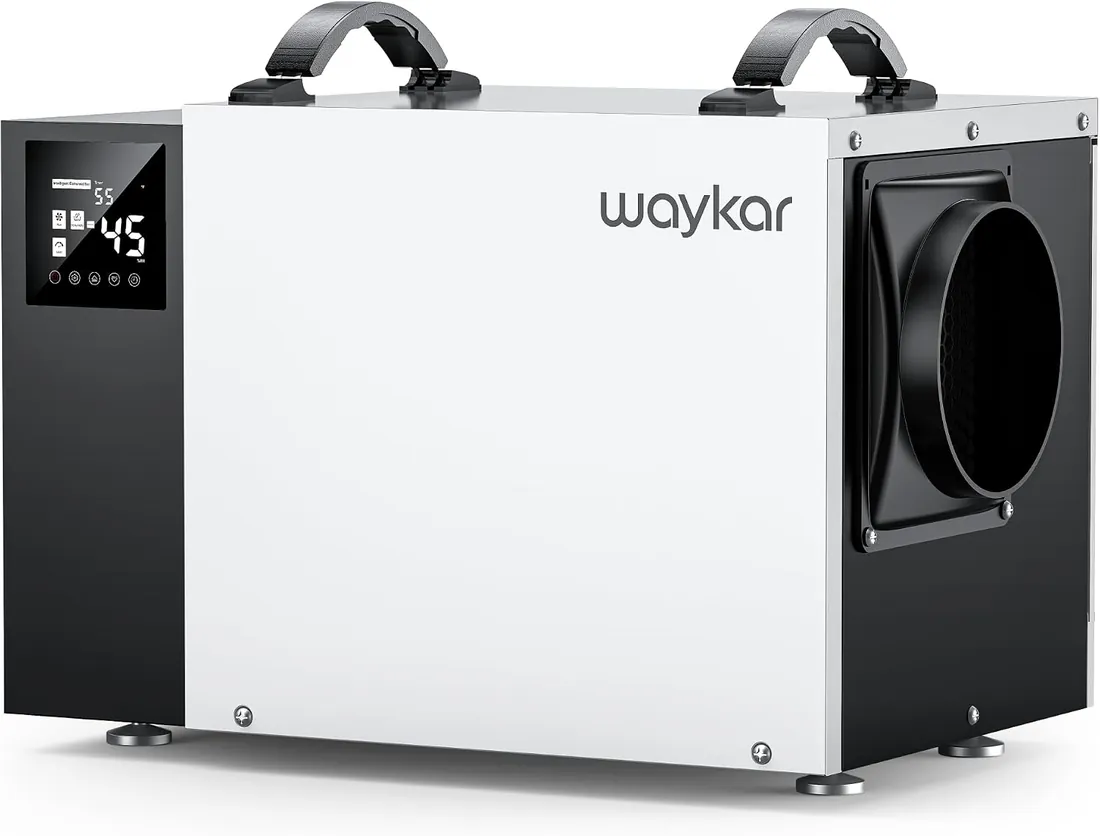
Products mentioned
Questions readers ask
What size dehumidifier for a basement?
One its maker rates for the basement's area, a size larger if it's wet, with hose or pump drainage.
Is a bigger dehumidifier better?
A larger unit reaches the target faster and runs less; it's the safer choice for wet spaces.