Aim for about 40 to 50 percent relative humidity most of the year. In very cold weather, drop toward 30 to 40 percent to avoid condensation on windows; in humid summers, keep it below 55 percent so dust mites and mold don't thrive.
Why humidity matters
Relative humidity is how much moisture the air holds compared with the most it could hold at that temperature. Too low, and skin, eyes and airways dry out, static builds and wood floors and furniture can shrink. Too high, and dust mites multiply, mold grows on cool surfaces and rooms feel clammy.
The EPA recommends keeping indoor relative humidity below 60 percent, ideally between 30 and 50 percent, to limit mold. Dust mites struggle to survive below about 50 percent.
Targets by season
| Season | Target | Why |
|---|---|---|
| Winter, very cold (below 10°F outside) | 30-35% | Higher levels condense on windows and inside walls |
| Winter, mild | 35-45% | Comfort without condensation |
| Spring and fall | 40-50% | Usually reached without equipment |
| Summer, humid climates | 45-55% | Air conditioning dries the air; a dehumidifier helps basements |
Watch the windows in winter: fog or frost on the inside of the glass means the humidity is too high for the outdoor temperature.
How to measure it
A digital hygrometer costs little and is the only way to know. Place it at breathing height, away from the kitchen, bathroom and the humidifier itself, and give it an hour to settle. Check two or three rooms; basements are often 15 points higher than upstairs.
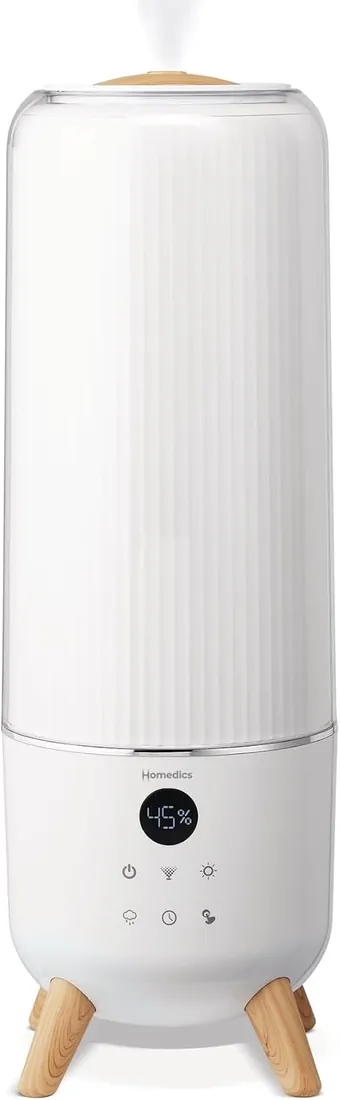
- Too dry: run a room humidifier in bedrooms, or a whole-house humidifier on the furnace.
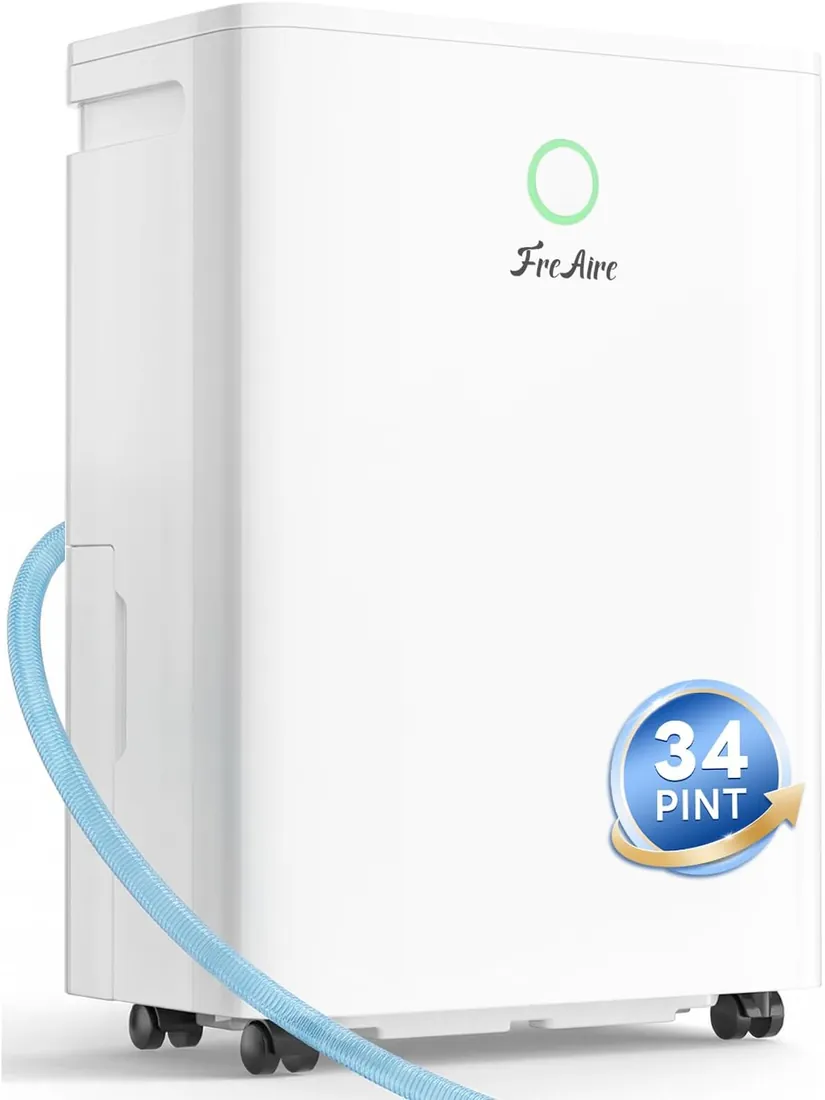
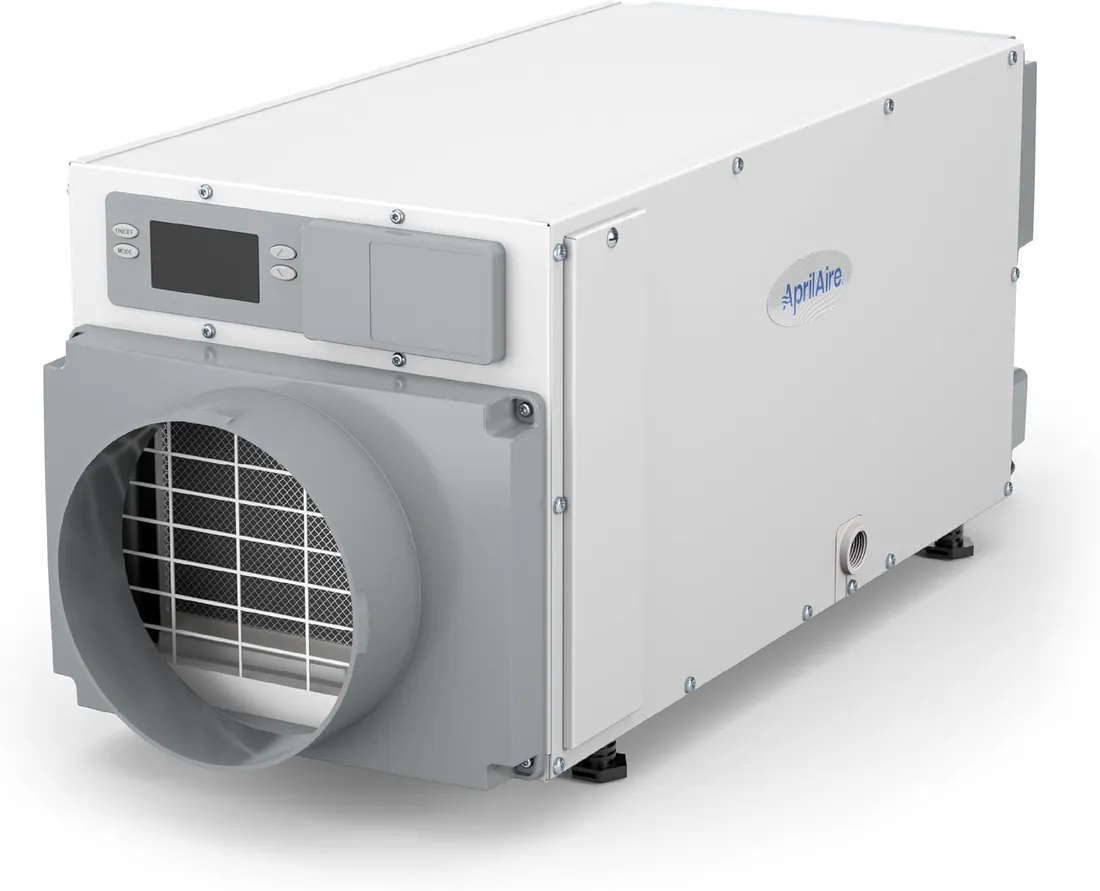
- Too humid: run bath and kitchen fans, use the air conditioner, and put a dehumidifier in the basement.
- Seal obvious leaks: dry winter air is often outdoor air leaking in.