Laser (optical particle counter) sensors count and size individual particles and report PM2.5 well enough for home use. Cheaper infrared 'dust' sensors give a rough signal. Neither matches a reference instrument, but a laser sensor is good for seeing trends and whether a purifier is working.
How the sensors work
Laser sensors draw air past a laser beam and count the flashes of light scattered by each particle, estimating size from the brightness. Infrared dust sensors use an LED and measure the overall amount of scattered light, which gives a cruder estimate of particle mass.
Accuracy in practice
- Both estimate mass from light scattering, so results vary with particle type and humidity.
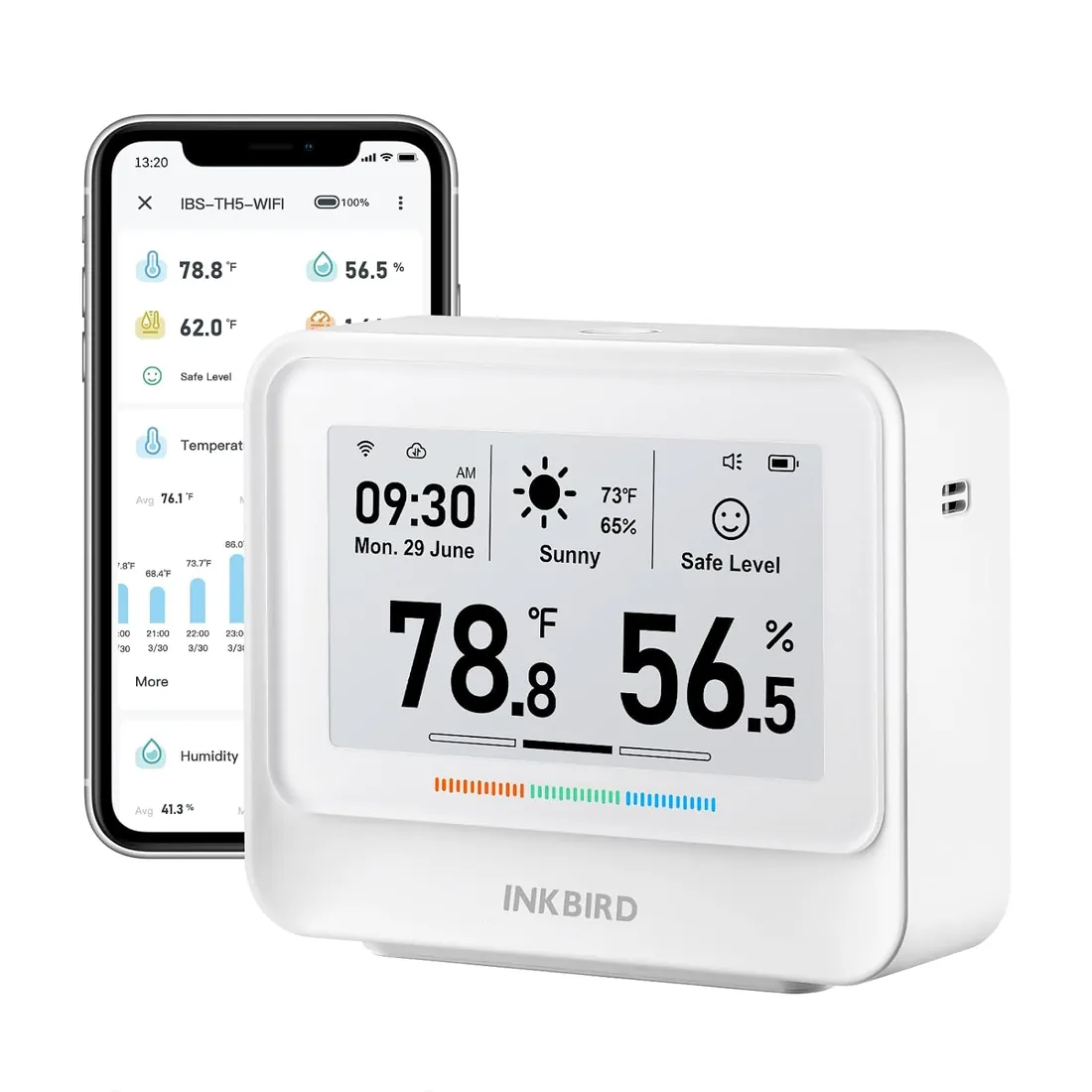
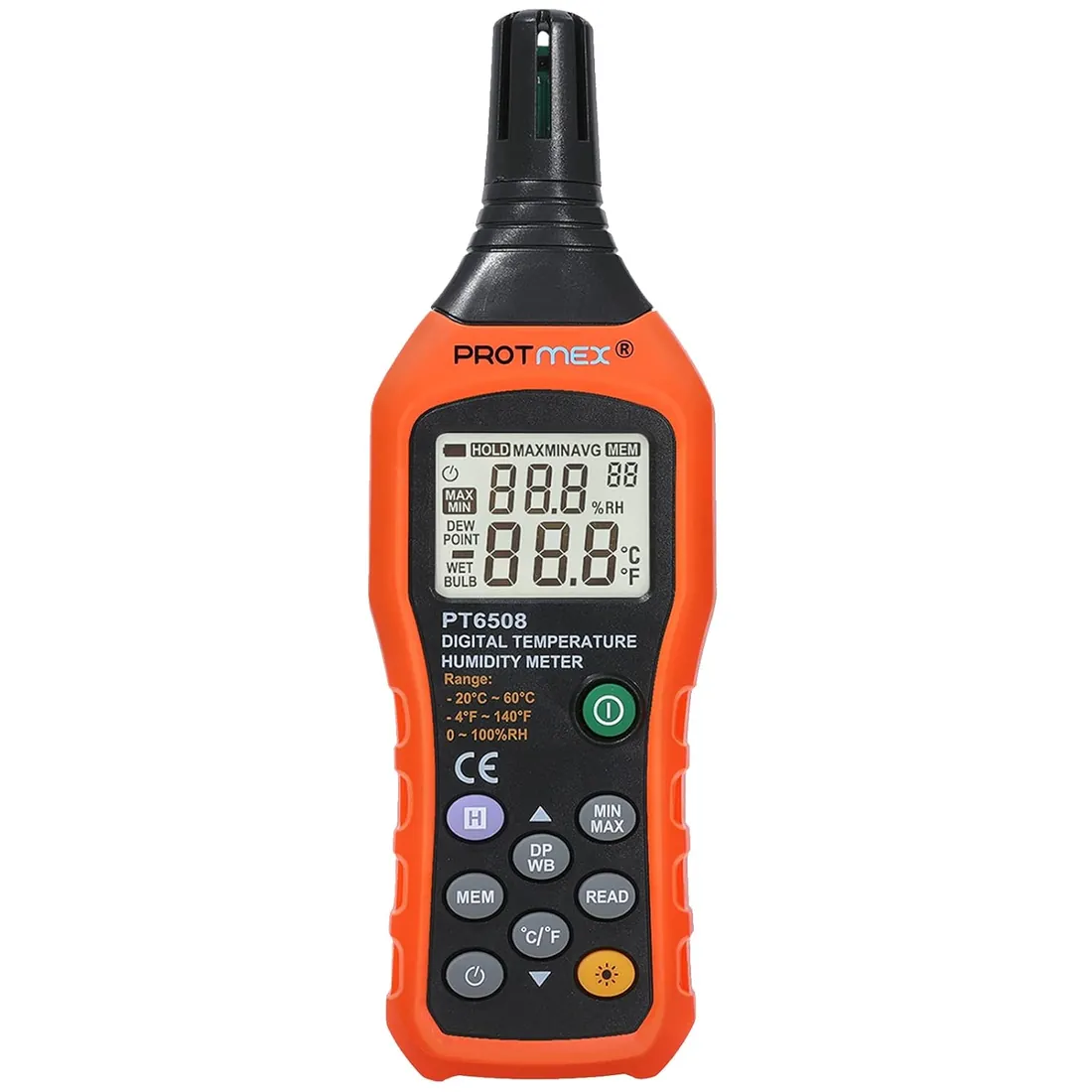
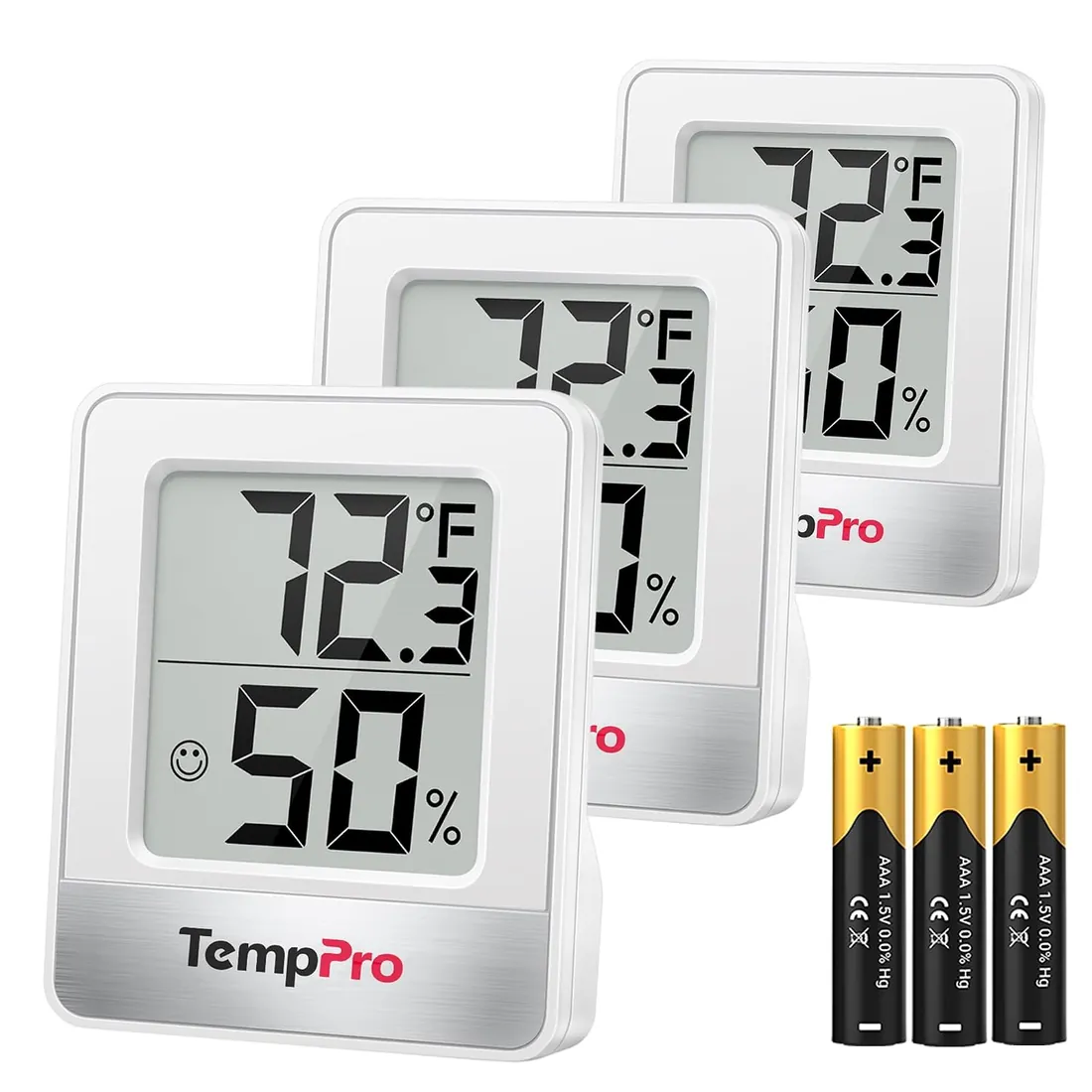
- High humidity can make readings run high as particles absorb water.
- Laser sensors track changes well: you can see a purifier pull PM2.5 down after cooking.
- Use readings for trends and comparisons, not as exact concentrations.
Choosing a monitor
For most homes, a laser PM2.5 sensor plus an NDIR CO2 sensor covers the essentials: particles show when to filter, CO2 shows when to ventilate. Place the monitor at breathing height, away from the stove and humidifier.