The short answer
When shopping for air filters in the United States, you will encounter three competing scales: MERV, MPR, and FPR. This creates immense consumer confusion, but the reason is purely commercial:
Why Are There Three Different Rating Systems?
When shopping for air filters in the United States, you will encounter three competing scales: MERV, MPR, and FPR. This creates immense consumer confusion, but the reason is purely commercial:
- MERV (Industry Standard): Created by ASHRAE, a non-profit engineering society. It is the objective benchmark used by HVAC engineers, government agencies, and LEED building certifications.
- MPR (3M / Filtrete): Created by 3M for their Filtrete product line. 3M argues that standard MERV tests do not adequately measure microscopic 0.3-to-1.0 micron particles, so they invented their own Microparticle Performance Rating (ranging from 300 to 2800).
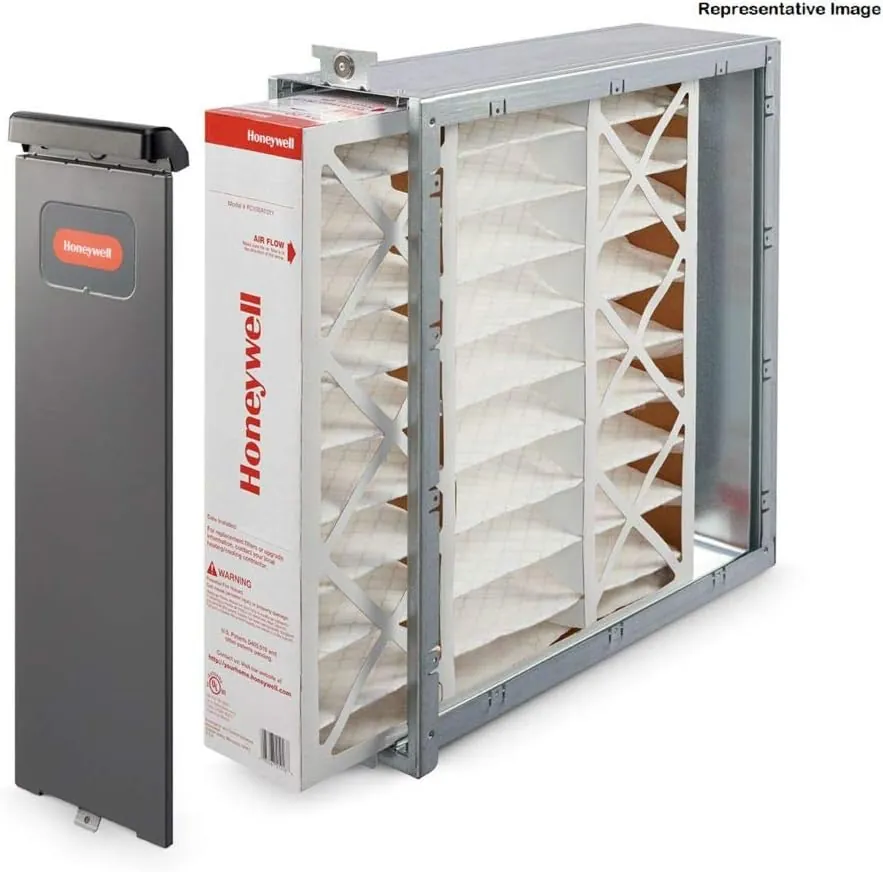
- FPR (The Home Depot): Created by The Home Depot to standardize ratings across the multiple brands sold in their stores (primarily Honeywell and store brands). It uses a 1-to-10 color-coded number.
The Master Conversion Decoder Table
| Industry Standard (MERV) | 3M Filtrete Scale (MPR) | Home Depot Scale (FPR) | Target Contaminants |
|---|---|---|---|
| MERV 6 | MPR 300 | FPR 4 (Good) | Lint, household dust, pollen |
| MERV 8 | MPR 600 | FPR 5 (Better) | Dust mites, mold spores, pet dander |
| MERV 10 | MPR 1000 | FPR 7 (Best) | Fine dander, smog, auto emissions |
| MERV 11 | MPR 1000–1200 | FPR 8 | Smoke residue, fine spores, allergens |
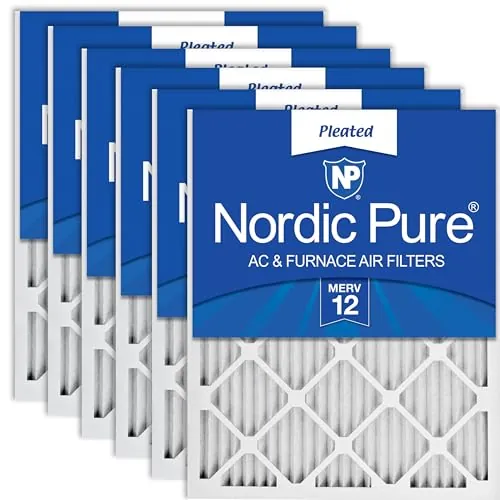
| MERV 12 | MPR 1500 | FPR 9 (Premium) | Microscopic allergens, bacteria carriers |
| MERV 13 | MPR 1900–2200 | FPR 10 (Premium) | Bacteria, virus carriers, wildfire smoke |
| MERV 14 | MPR 2500–2800 | FPR 10+ | Ultrafine smog, hospital surgical quality |