The short answer
For a nursery, the basics matter most: no smoking indoors, a quiet HEPA purifier sized for the room, comfortable humidity (about 40 to 50 percent), and no ozone-producing devices. Keep the purifier and its cord out of the baby's reach.
Why babies are more sensitive
Babies breathe faster than adults and take in more air for their size, and their lungs are still developing. Keeping particles, smoke and chemical fumes low in the room where they sleep is a simple, worthwhile step.
A simple setup
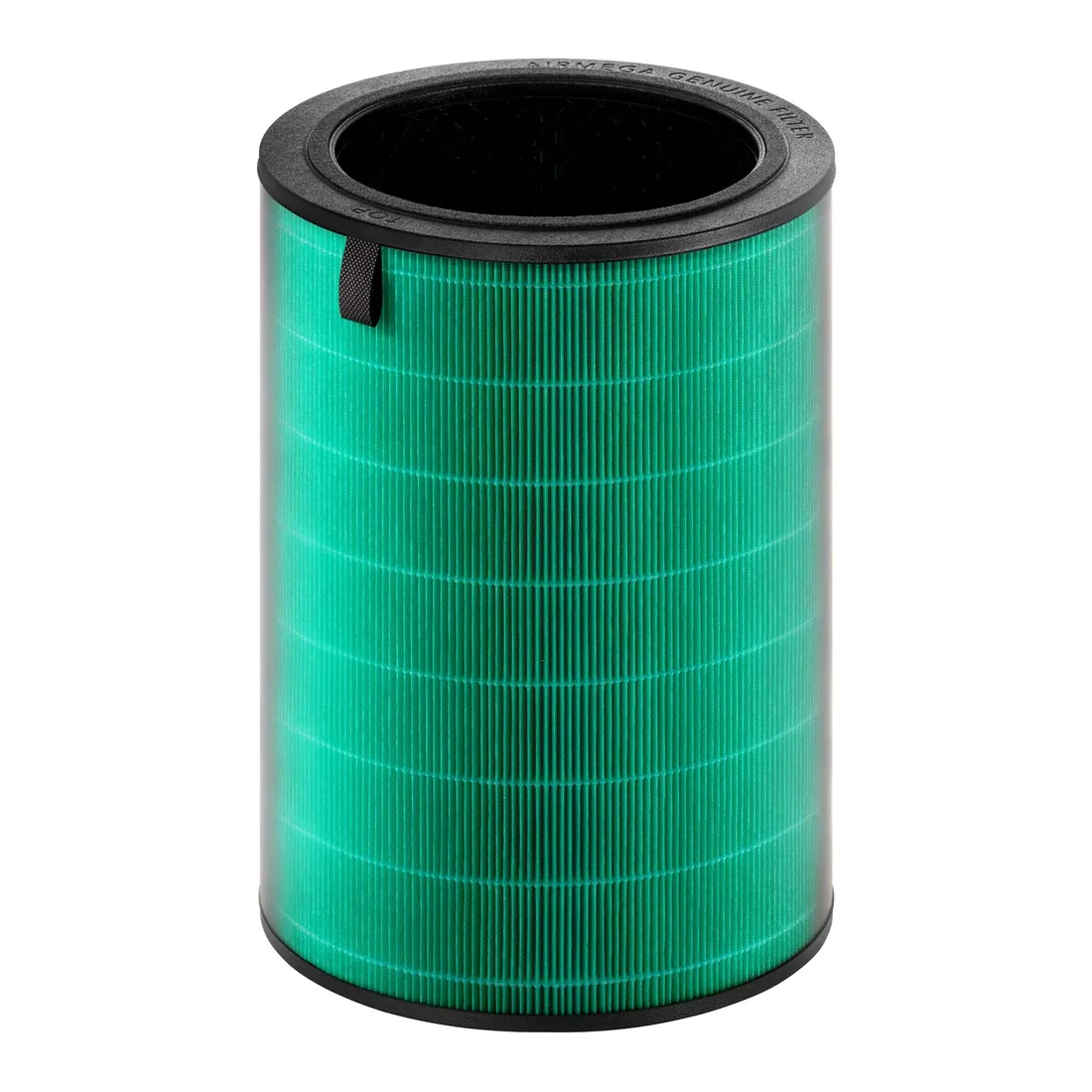
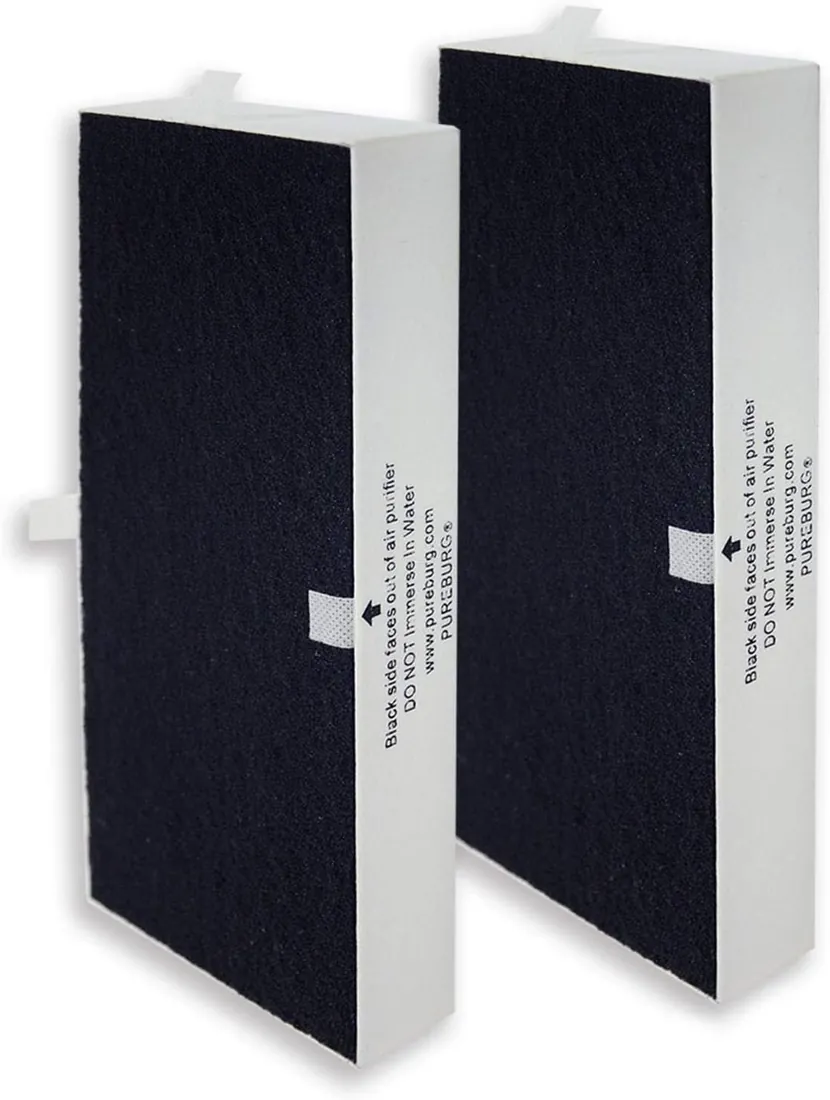
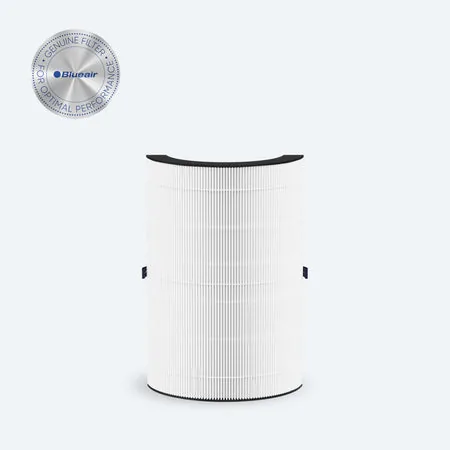
- A HEPA purifier sized for the room at about 4.8 air changes per hour, running on its quietest setting at night.
- Choose a unit with no ionizer, or one that lets you switch it off; avoid ozone generators entirely.
- A cool-mist or evaporative humidifier only if the air is dry, cleaned often, set to about 40 to 50 percent.
- Air out new furniture and paint before the baby moves in; choose low-VOC paint.
- A MERV 11 to 13 furnace filter if the system handles it.
Safety
SafetyPlace the purifier and humidifier out of reach, with cords secured. Never use a warm-mist or steam humidifier within a child's reach. Follow safe-sleep guidance for the crib itself.
Watch noise: a purifier on its lowest setting is usually quiet enough for sleep, and steady fan noise can mask household sounds.
Products mentioned
Questions readers ask
Should I put an air purifier in a nursery?
A HEPA purifier with no ozone-producing features is a reasonable choice, especially with pets, allergies or smoke outdoors.
What humidity is best for a baby's room?
About 40 to 50 percent relative humidity.