The short answer
Start with a test (a short-term kit or a continuous monitor) in the lowest lived-in level. The EPA recommends fixing homes at or above 4 pCi/L and considering it between 2 and 4. A continuous monitor is useful for watching levels over time and after mitigation.
Why test
Radon is a colorless, odorless radioactive gas from soil and rock. The EPA calls it the leading cause of lung cancer among non-smokers. Levels vary hugely between neighboring houses, so the only way to know is to test.
Options
| Option | How it works | Good for |
|---|---|---|
| Short-term kit (2-7 days) | Charcoal canister mailed to a lab | A quick first check |
| Long-term kit (90+ days) | Alpha-track detector mailed to a lab | A year-round average |
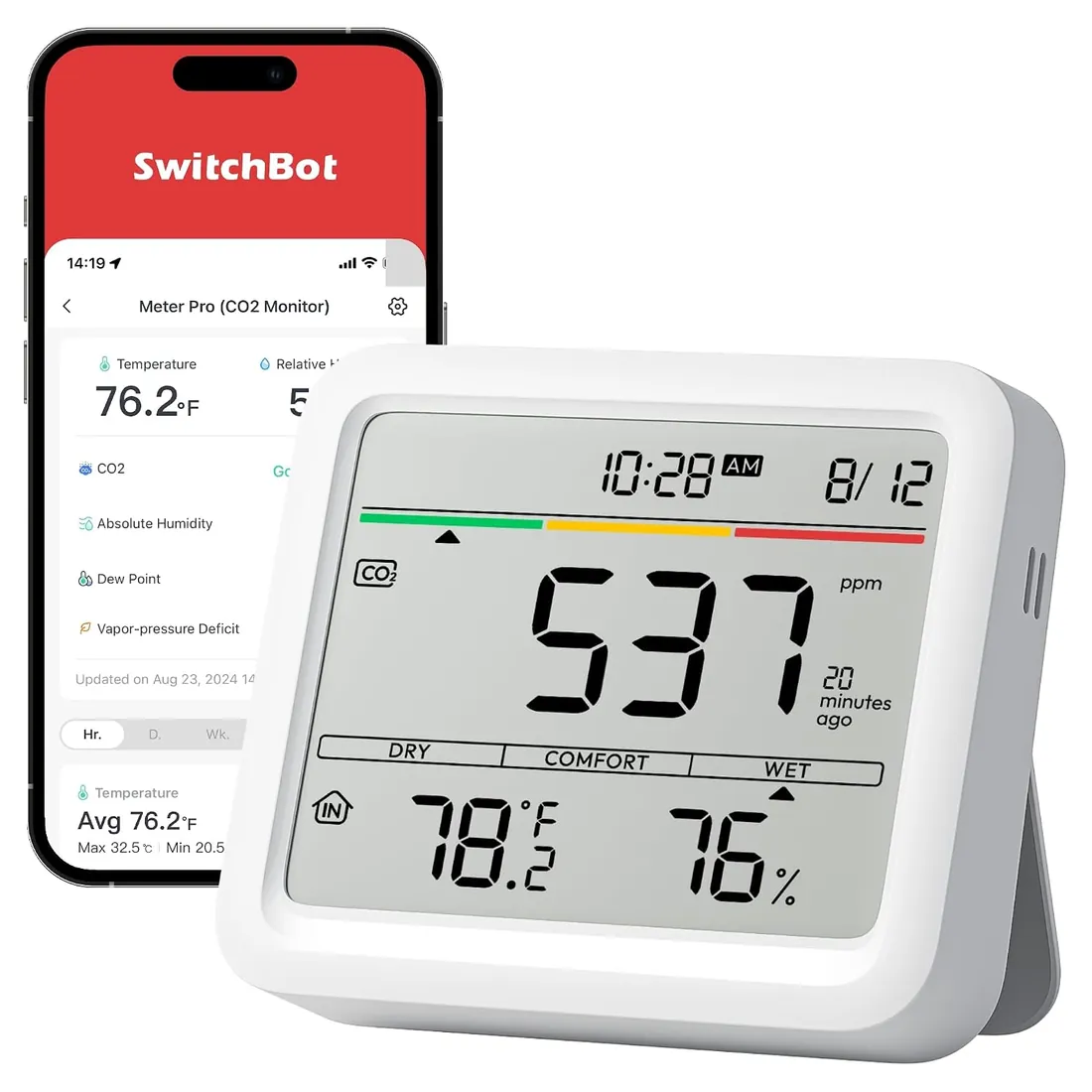
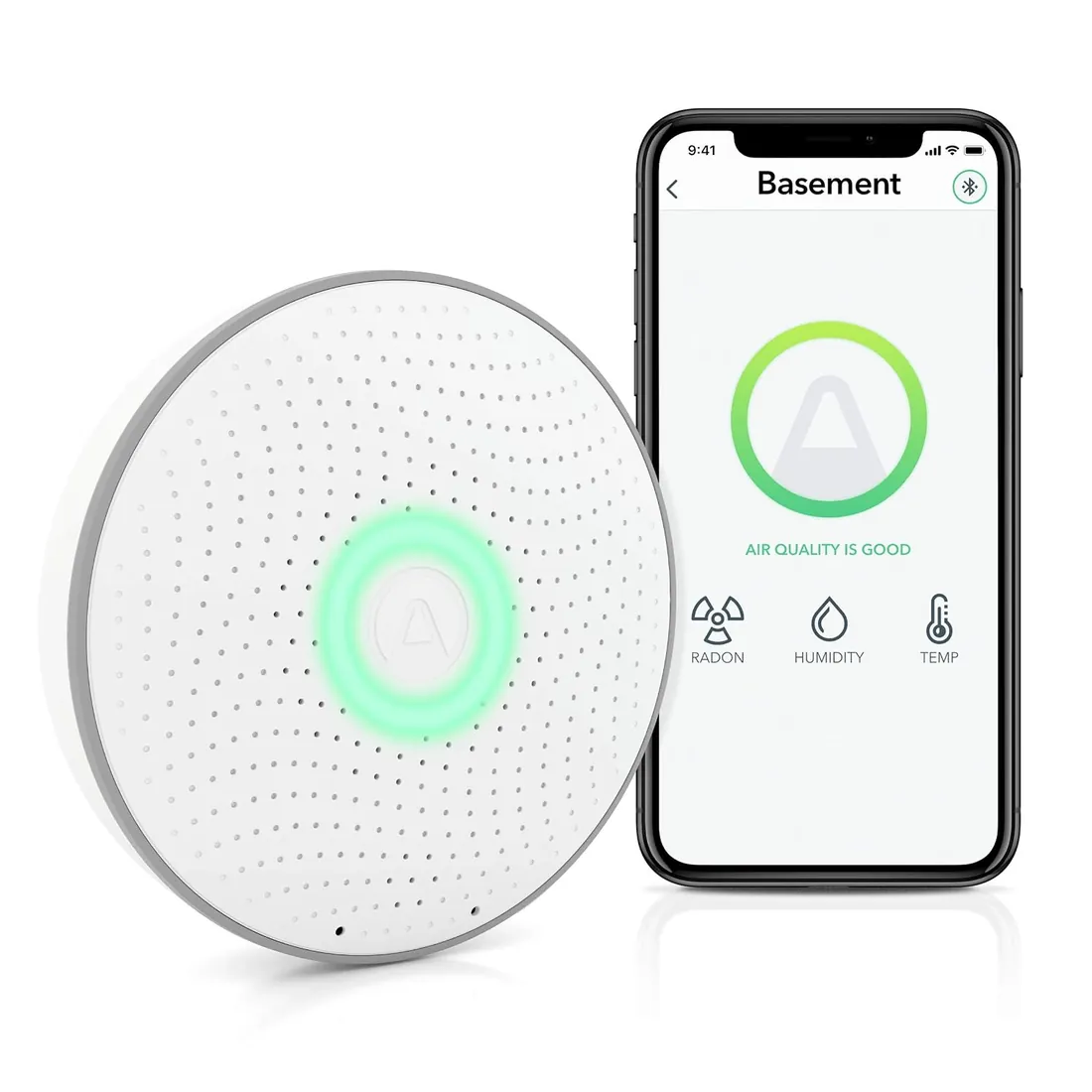
| Continuous digital monitor | Reads continuously; shows short- and long-term averages | Watching changes and checking mitigation |
| Professional test | Calibrated equipment, chain of custody | Real estate transactions |
If levels are high
A licensed or state-listed radon mitigation contractor can install a sub-slab depressurization system, which typically brings levels well below the action level. Retest afterwards.
Products mentioned
Questions readers ask
How accurate are home radon monitors?
Consumer monitors are useful for trends and long-term averages; use a lab kit or professional test for decisions like home sales.
Where should I test for radon?
In the lowest level of the home you regularly use, away from drafts, exterior walls and humidity sources.