The short answer
A home VOC reading is a relative index, not a measurement of any one chemical. Use it to spot spikes (cleaning, new furniture, cooking) and confirm that ventilation brings them down.
What VOCs are
Volatile organic compounds evaporate from many household products: paints, varnishes, cleaners, air fresheners, glues in furniture and flooring, and cooking. Some, like formaldehyde, are of particular health concern at high levels.
How home sensors read them
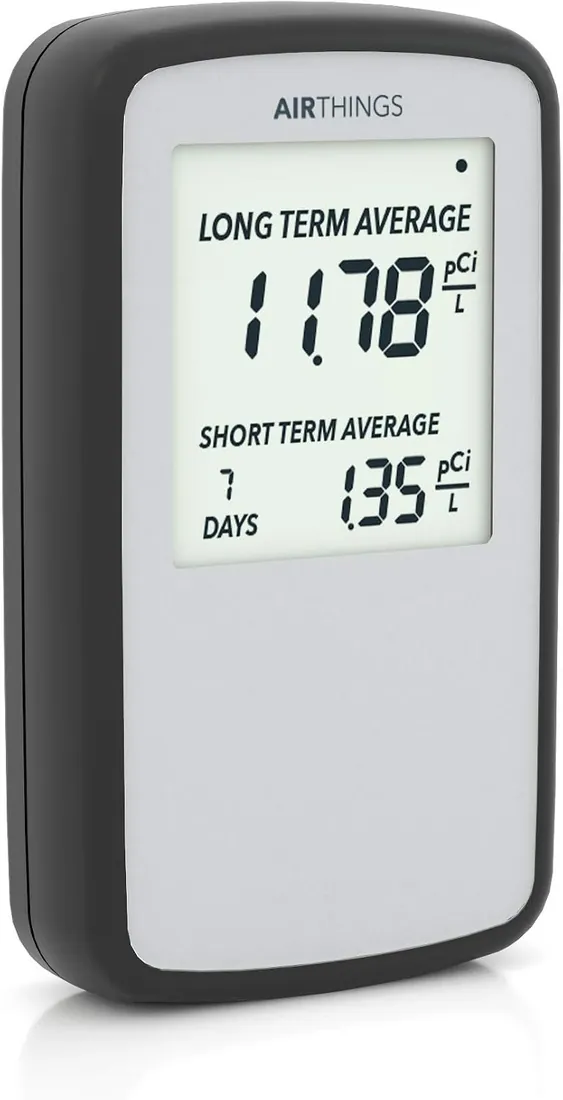
Most consumer monitors use metal-oxide sensors that respond to many gases at once. They report an index or an estimated total (TVOC) and recalibrate to their surroundings over days, so absolute numbers aren't comparable between brands.
Using the reading
- Watch for spikes when cleaning, painting or after new furniture arrives.
- Ventilate: open windows or run exhaust fans and watch the reading fall.
- Reduce sources: fewer air fresheners, low-VOC paints, airing out new items.
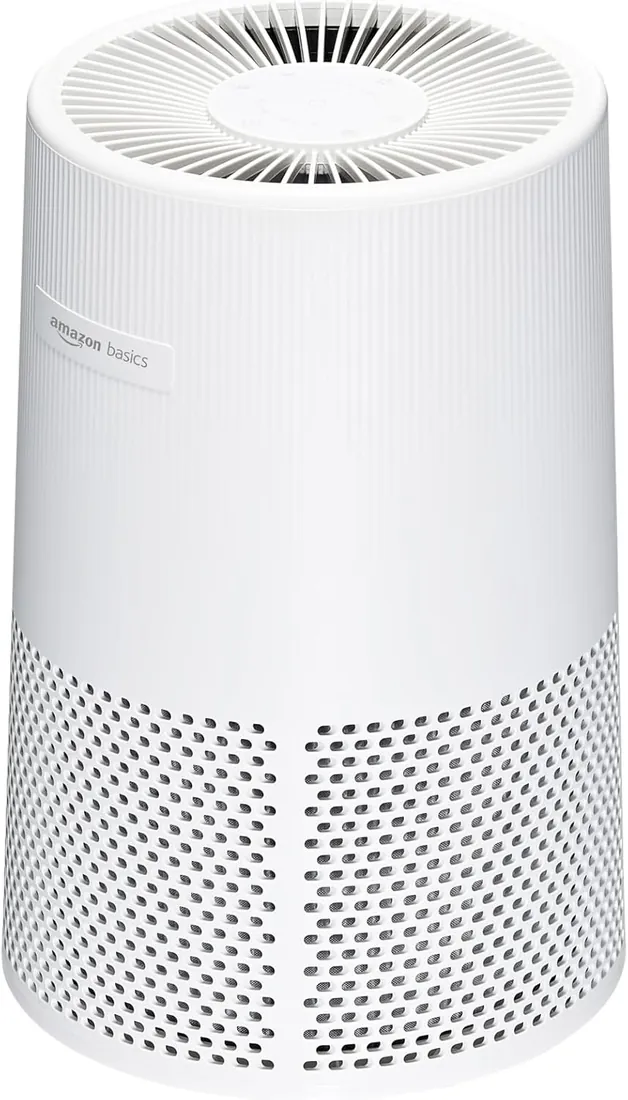
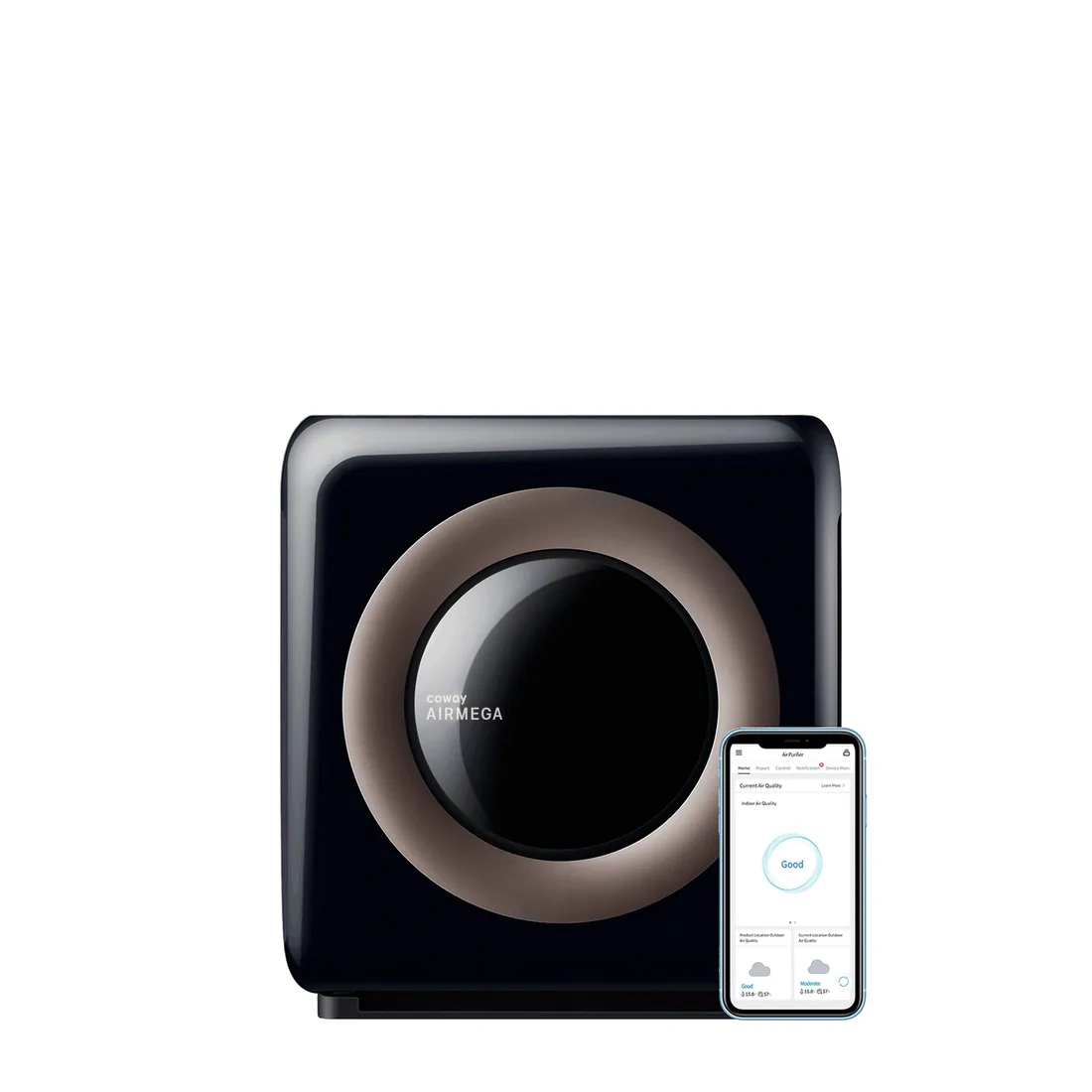
- Purifiers need substantial carbon to reduce VOCs; HEPA alone doesn't.
Products mentioned
Questions readers ask
Can a home monitor detect formaldehyde?
General VOC sensors respond to it among other gases; dedicated formaldehyde sensors exist but cost more.
What's a good VOC reading?
Use your monitor's own scale and watch for spikes and how fast they fall.