Both bring in fresh outdoor air and recover energy from the stale air they exhaust. An HRV transfers heat only; an ERV transfers heat and some moisture. HRVs suit cold climates with humid winter interiors; ERVs suit humid summers and dry winters. Both need their filters changed on schedule.
Why tight homes need ventilation
Modern homes are sealed to save energy, so stale air, moisture, CO2 and chemicals from furnishings build up unless something brings fresh air in. A balanced ventilator does that continuously while recovering much of the heating or cooling energy from the outgoing air.
HRV vs ERV
| HRV (heat recovery) | ERV (energy recovery) | |
|---|---|---|
| Transfers | Heat only | Heat and some moisture |
| Winter | Removes indoor humidity | Keeps some indoor humidity |
| Summer | Brings in outdoor humidity | Rejects some outdoor humidity |
| Suits | Cold climates, humid interiors | Humid summers, very dry winters |
Neither replaces a dehumidifier or air conditioner; they move air and recover energy, and the moisture effect of an ERV is modest.
Filters in ventilators
Ventilators have filters on the incoming and outgoing air streams to protect the core. Clean or replace them as the maker says, often every three months; clogged filters reduce fresh air and can unbalance the flows. Some units accept higher-grade filters on the supply side to cut outdoor pollen and smoke.
- Check filters every one to three months
- Clean the core as the maker directs
- Keep the outdoor intake clear of snow and leaves
Products mentioned

Filterbuy 16x25x5 Smoke & Allergy Defense MERV 13 Air Filter
MERV 13 · 16x25x5
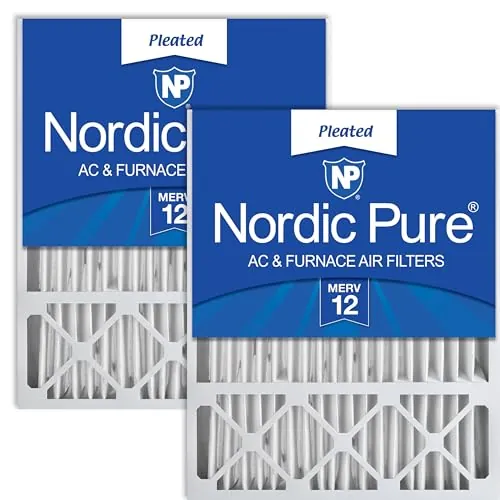
Nordic Pure 5-Inch MERV 12 Filter for Honeywell and Lennox
MERV 12 · MPR 1500
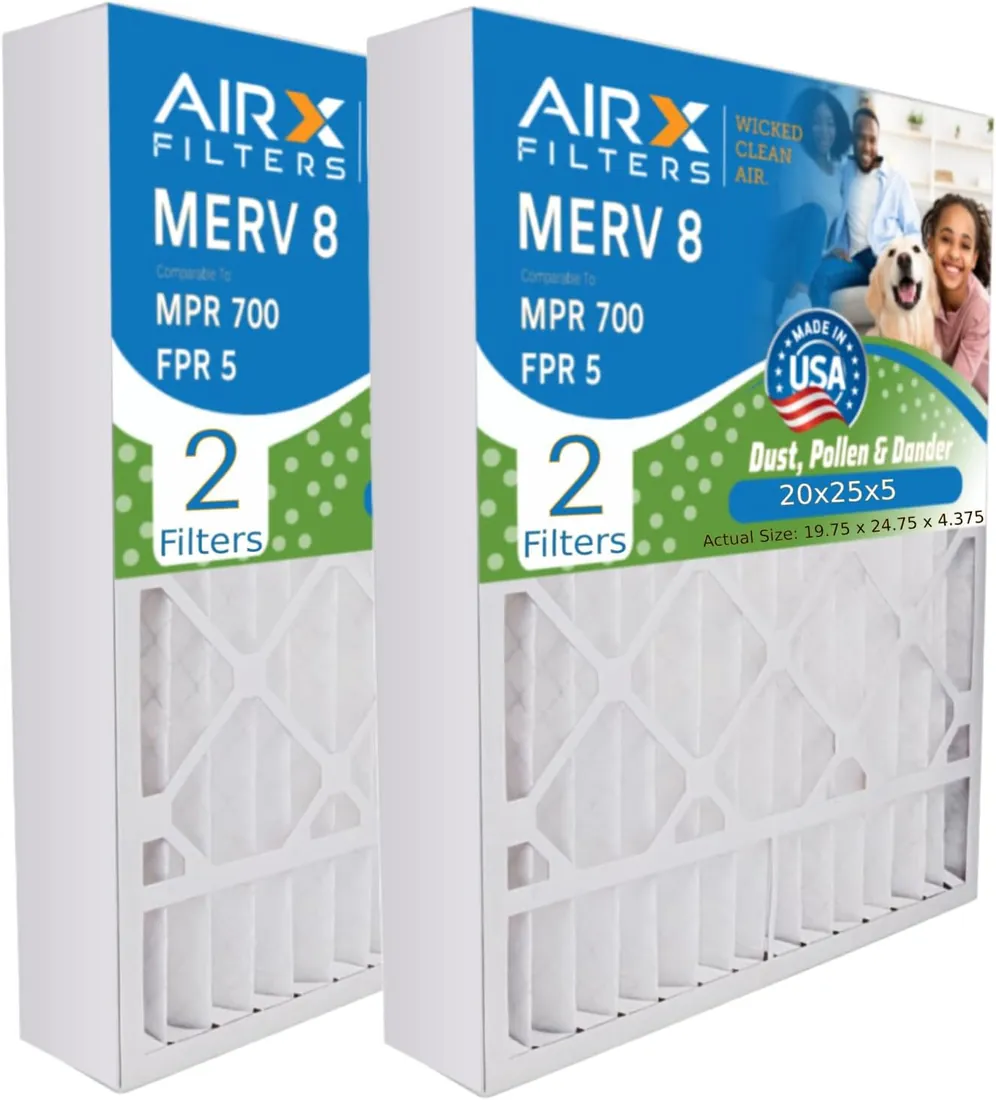
AIRx Replacement Filter for Lennox X6673
MERV 8