Activated carbon traps odor and gas molecules on the surface of its pores until those surfaces are full. A thin carbon-coated sheet, common in compact purifiers, can saturate within weeks of steady odors; a bed of loose granular carbon weighing several pounds can last many months. When smells return while the purifier is running, the carbon is spent and needs replacing, even if the HEPA filter still has life left.
How activated carbon works
Carbon is 'activated' with heat or chemicals to riddle it with microscopic pores, giving a single gram an internal surface area of roughly 500 to 1,500 square meters. Gas molecules that drift into those pores stick to the surface, a process called adsorption. That is how carbon removes cooking smells, pet odors, smoke odor and many volatile organic compounds (VOCs) that a HEPA filter, which only catches particles, cannot touch.
Because adsorption fills a finite surface, carbon has a capacity rather than an efficiency. It works well until its surface is used up, then quickly stops. Higher odor loads use it up faster.
Carbon sheets vs granular beds
| Type | Typical amount | Lasts with steady odors | Found in |
|---|---|---|---|
| Carbon-coated scrim or foam | A few grams | Weeks | Most compact purifiers' pre-filters |
| Thin pelletized panel | Tens to a few hundred grams | One to a few months | Mid-range purifiers, 'toxin absorber' filters |
| Deep granular bed | Several pounds | Many months | Odor- and chemical-focused purifiers |
When a purifier lists 'activated carbon' without a weight, assume it is a thin layer. For persistent smells such as smoking, a litter box, cooking in an open-plan home or off-gassing from new furniture, the weight of carbon matters more than any other spec. See pellet weight, scrim and beds for more detail.
Signs your carbon is spent
- Odors you used to notice disappearing now linger even with the purifier on high.
- A sour, musty or stale smell from the purifier itself, as saturated carbon releases some of what it trapped.
- Smells return sooner after cooking than they did when the filter was new.
- The filter has passed the maker's carbon interval, often three to six months for separate carbon panels.
What carbon removes well, and what it does not
| Removes well | Removes poorly |
|---|---|
| Cooking odors, smoke odor | Formaldehyde (needs treated carbon) |
| Pet and litter odors | Carbon monoxide |
| Many solvent and paint VOCs | Radon |
| Musty and mildew smells | Very light gases such as ammonia (partly) |
For formaldehyde from new flooring or furniture, look for filters that specify impregnated or treated carbon, and ventilate as well; see formaldehyde off-gassing. Carbon monoxide and radon need dedicated detectors, not a purifier.
Choosing a purifier for odors
- Size for particles first using smoke CADR; see CADR explained.
- Check the carbon: a stated weight, granular carbon, or a specific odor or smoke filter version.
- Price the carbon replacement, which you will buy more often than the HEPA filter in a smelly home.
- Fix the source where you can: a range hood for cooking (see range hood vs carbon purifier), and cleaning litter daily.
Products mentioned
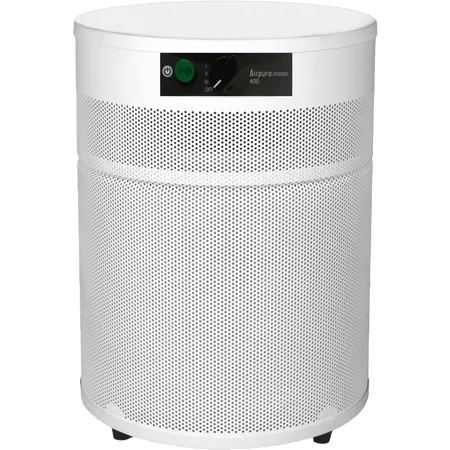
Airpura V400 VOC, Chemical, Smoke Compact Air Purifier (V400-Black)
1000 sq ft · CADR 360.0 CFM
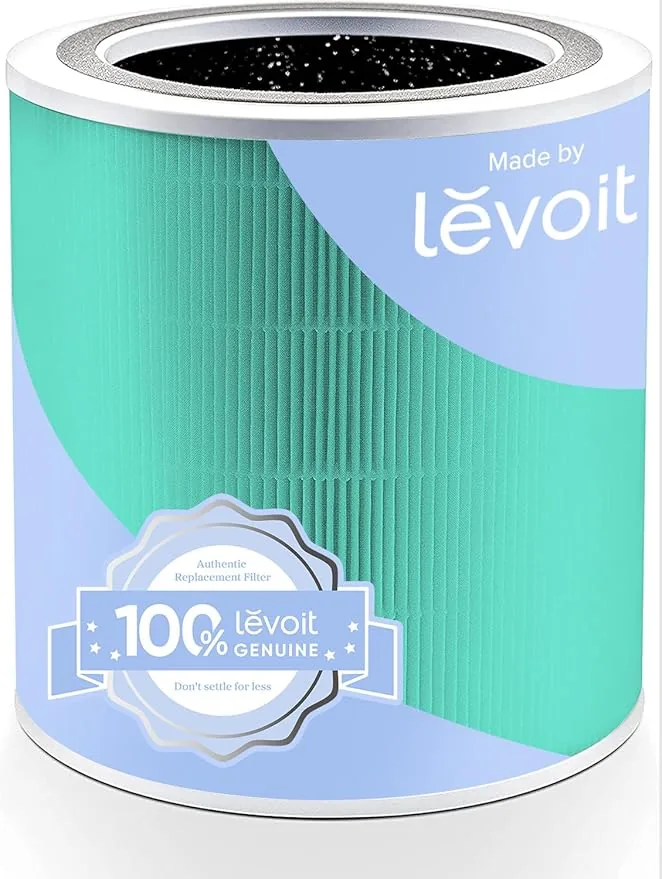
Levoit Core 400S-P Toxin Absorber Carbon Replacement Filter
Maker-original filter
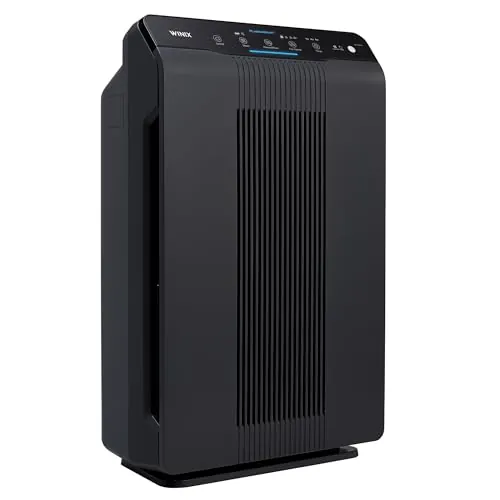
Winix 5500-2 True HEPA Air Purifier
360 square feet