Pollen, pet dander and dust-mite debris are all particles that a true HEPA filter captures well: HEPA is rated to stop 99.97% of particles at 0.3 microns, the size that is hardest to catch, and it is more efficient on the larger particles that carry most allergens. So nearly any genuine HEPA purifier works. What separates them for allergy sufferers is how much air they move through that filter.
Aim for 4 to 5 air changes per hour in the room where you spend the most time, usually the bedroom. That is the rate allergy groups commonly recommend, and it is higher than the 1 to 2 changes many makers assume when they print a room size on the box. The same machine can be advertised at 361 sq ft by one listing and nearly 800 by another, depending on the assumption.
That is why every pick below has a published smoke CADR, and why the list is ordered by real allergy coverage per dollar rather than by the largest room claim. See air changes per hour explained and true HEPA vs HEPA-type for the background.
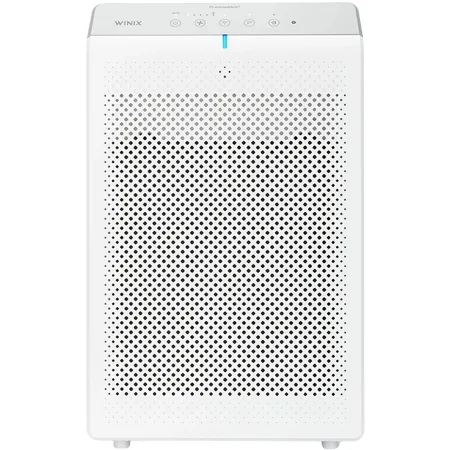
Winix 5530 Large Room Wi-Fi True HEPA Air Purifier (1022-0233-08)
A smoke CADR of 253 means about 380 sq ft at 5 air changes per hour, enough for a large primary bedroom with room to spare on a quieter speed. Maximum draw is 65 W and the listed price is $229.99, which makes it the lowest cost per square foot of allergy-grade coverage among our picks. It adds Wi-Fi control, useful for switching to high when pollen counts spike while you are out.
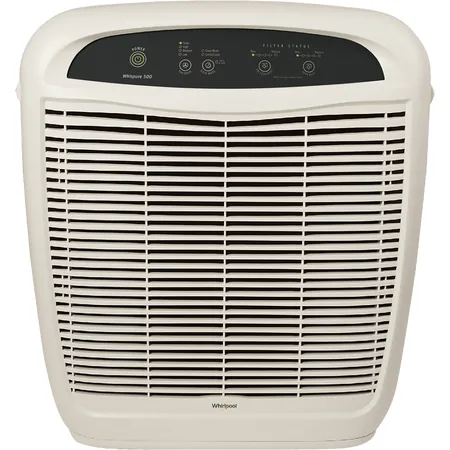
Whirlpool WP500 Whispure HEPA Air Purifier (WP500B)
Smoke CADR 315, which works out to roughly 470 sq ft at 5 changes per hour, for $264.99. It uses a true HEPA filter. The trade-offs are power and noise: maximum draw is listed at 110 W and its top speed at 49 dB, so it is better suited to a living area than a nightstand. Run it on high while you are out and drop it to a lower speed in the evening.
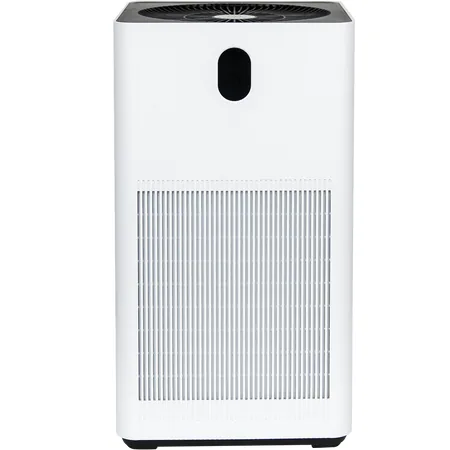
Santa Fe HEPA Air Purifier (4042780)
A smoke CADR of 230 for $179.99 covers about 345 sq ft at allergy-grade airflow, close to the Winix 5530, with a modest 40 W draw. Its listed noise of 55 dB is a top-speed figure, so plan on a middle speed for sleeping. It is the pick if you want real allergy coverage for a bedroom and price matters more than smart features.
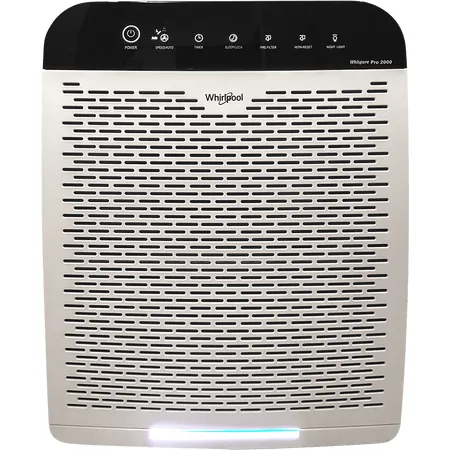
Whirlpool WPPRO2000 Whispure HEPA Air Purifier (WPPRO2000B)
Smoke CADR 328, about 490 sq ft at 5 changes per hour, for $329.99. It is a step up from the WP500 in airflow for an open kitchen and living area, at a higher 115 W maximum draw. Choose it over the WP500 only if your space is near 500 sq ft; otherwise the cheaper model does the same job.
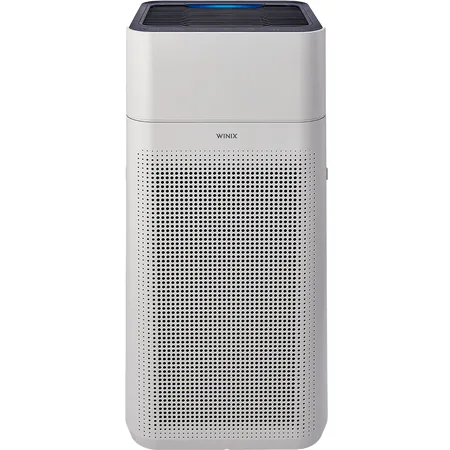
Winix XQ 4 Stage Dual Filtration Smart Wi-Fi True HEPA Air Purifier
A smoke CADR of 419 covers roughly 630 sq ft at allergy-grade airflow, the most of any pick here, with a 90 W maximum and a listed top-speed noise of 55 dB. At $609.99 it costs more than two Winix 5530s, so it makes sense mainly for a large open-plan room where a single machine is the only practical option.
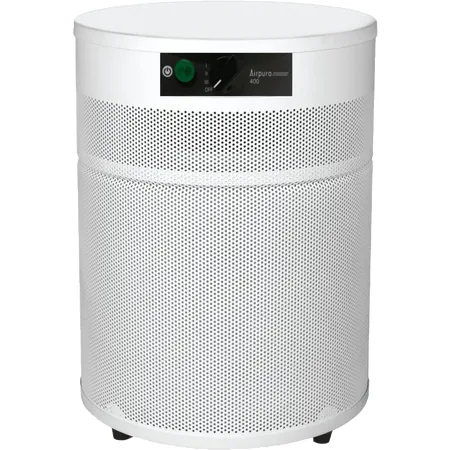
Airpura R400 All Purpose Compact Air Purifier (R400-Black)
Smoke CADR 360, about 540 sq ft at 5 changes per hour, from a compact cabinet with a 77 W draw. At $569.98 it is a premium choice. Its top speed is listed at 52 dB, so it is quieter in practice on its lower settings in a bedroom. Consider it if you want high airflow from a smaller footprint.
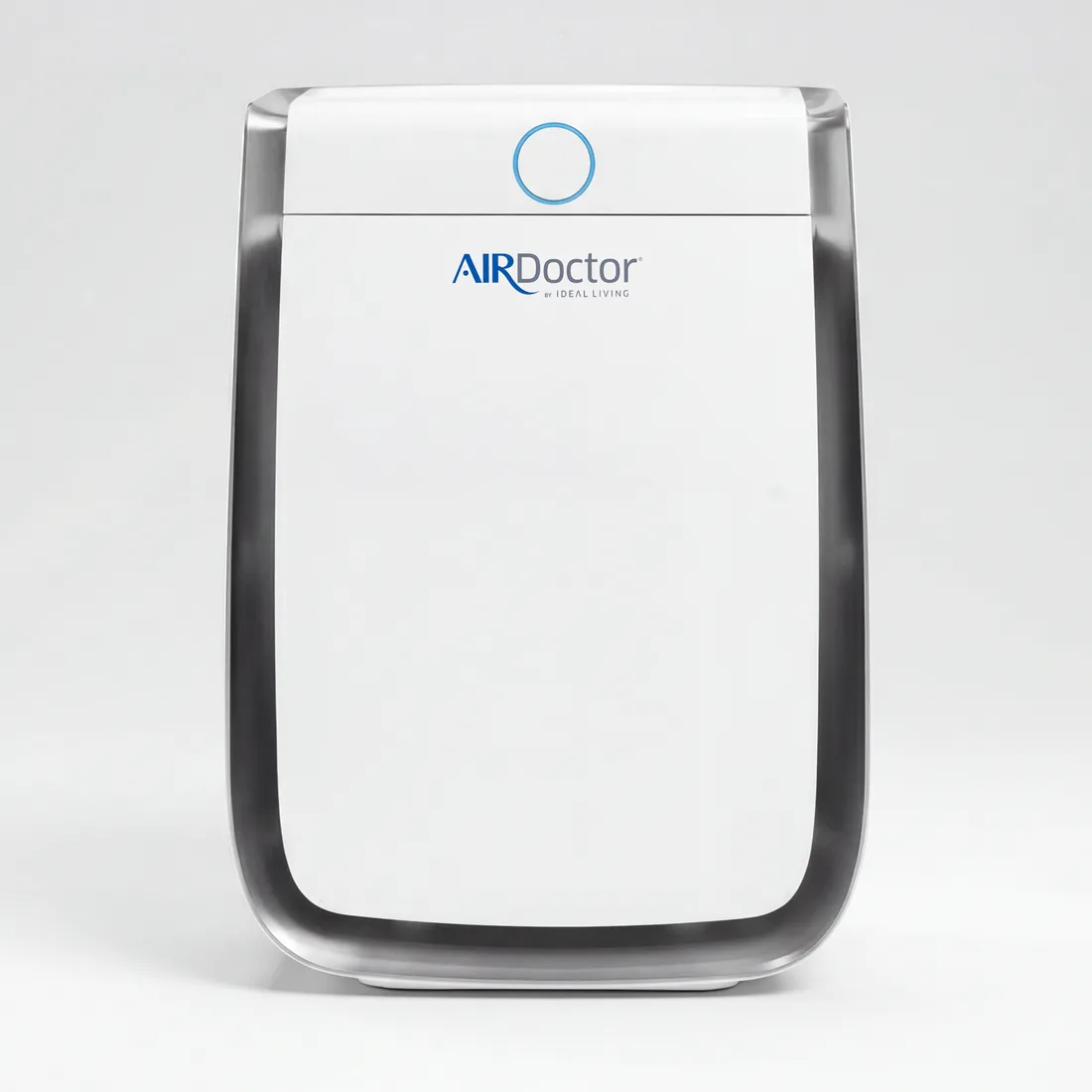
AirDoctor AD3500
Smoke CADR 340, about 510 sq ft at allergy-grade airflow, and 18 lb. The listed price is $659. The airflow per dollar is lower than the Whirlpool picks, so buy it for features and design rather than raw allergy coverage, and check the replacement filter price before you commit.
Side by side
| Model | Smoke CADR | Room at 5 air changes/hour | Listed max power | Price |
|---|---|---|---|---|
| Winix 5530 | 253 | ≈ 380 sq ft | 65 W | $229.99 |
| Whirlpool WP500 | 315 | ≈ 470 sq ft | 110 W | $264.99 |
| Santa Fe HEPA 4042780 | 230 | ≈ 345 sq ft | 40 W | $179.99 |
| Whirlpool WPPRO2000 | 328 | ≈ 490 sq ft | 115 W | $329.99 |
| Winix XQ | 419 | ≈ 630 sq ft | 90 W | $609.99 |
| Airpura R400 | 360 | ≈ 540 sq ft | 77 W | $569.98 |
| AirDoctor AD3500 | 340 | ≈ 510 sq ft | n/a | $659.00 |
How to choose between them
- Measure the bedroom and multiply length by width.
- Divide by 1.5 to get the smoke CADR you need for 5 air changes per hour; a 12 × 14 ft bedroom (168 sq ft) needs a CADR of about 110.
- Buy above that number so the purifier reaches it on a quiet speed rather than at full blast.
- Price the filter before you buy; you will replace it every 6 to 12 months.
Run the purifier continuously, with the bedroom door closed, starting an hour or two before bed. Air purifiers clear airborne allergens; they do little for dust-mite allergen that has already settled in bedding, so pair the purifier with mite-proof covers and hot washing. Our guide to purifiers for cat allergies covers dander in more depth.
When a different list fits better
For a small dorm room or a tight budget, see purifiers for apartments and dorms. If your whole house has central air, a MERV 11 to 13 furnace filter treats every room at once; see furnace filters for seasonal allergies and whole-house filter vs room purifier.
Questions readers ask
Do air purifiers help with allergies?
How many air changes per hour do I need for allergies?
Is H13 better than true HEPA for allergies?
Should I run an air purifier all night for allergies?
Are ionizers or UV lights helpful for allergies?
Picks are chosen and ordered by our editors from makers' published specifications and listed prices; every pick meets the list's own requirement. How we research · Disclosure